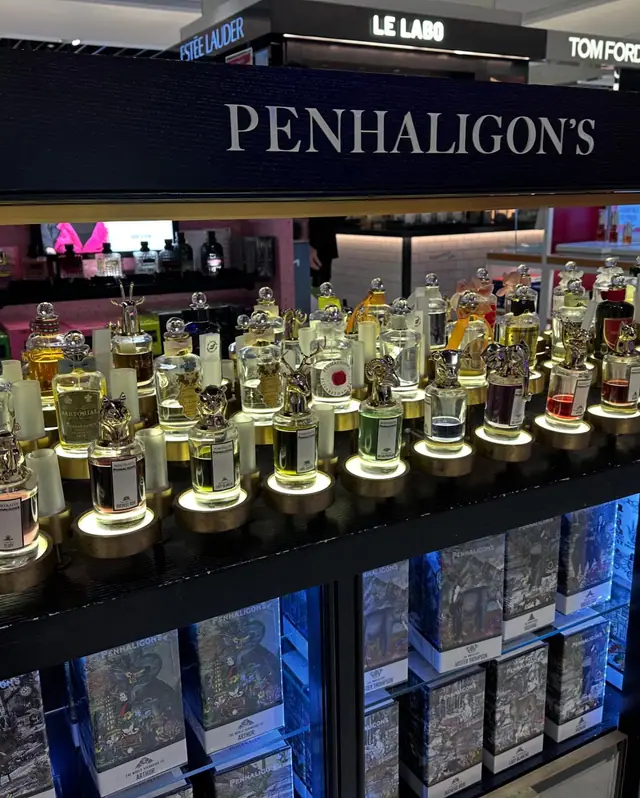
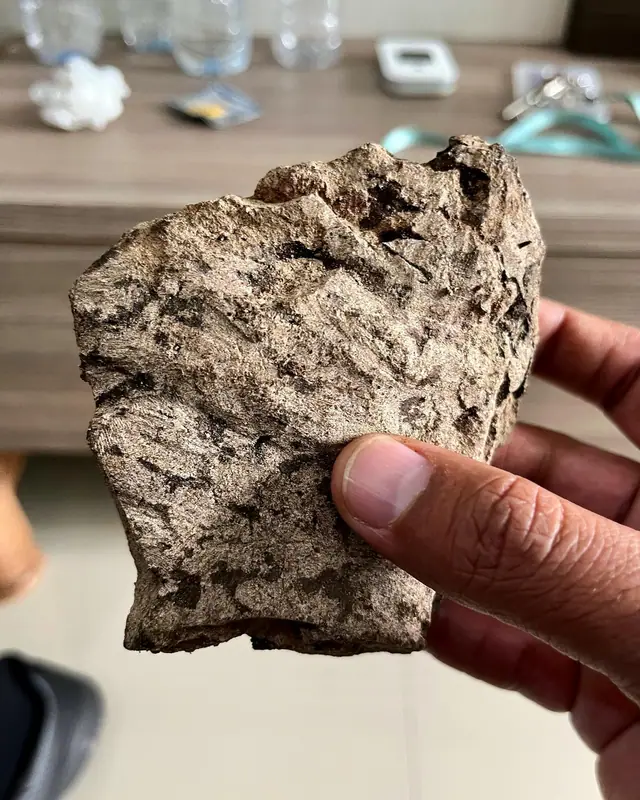
Why is ambergris used in perfume?
Ambergris contributes scent and helps other perfumes last: Piesse (1857) describes its effect on their persistence. In my experience, aged pieces smell sweet, earthy and musky. Manufactured ambergris-type ingredients also exist, and I explain how they differ from the natural material below.
Ambergris forms in the gut of sperm whales, in about one in 100 of them, and is found floating at sea or washed ashore, as Clarke (2006) describes. It is a waxy solid. Because sperm whales range so widely, he notes, it may be found in any ocean or on any ocean shore.
I'm Nabil Valiulla. I've assessed 4,678 specimens since 2004, from finders in 56 countries, and I work from two hubs, Vancouver and Dubai. Here I explain ambergris's smell, why perfumers use it, how published references describe tinctures, and where manufactured ingredients fit.
What does ambergris smell like?
In my experience, aged ambergris smells sweet, earthy and musky. I've found that fresh material can have a sharp, faecal smell. In the pieces I see, fresh ambergris can also be dark, soft and sticky. The gentler scent of aged pieces is what the perfumers I supply ask for.
The “Ambra” monograph in Arctander's 1960 reference describes good ambergris as subtle, recalling seaweed, wood and moss, with a sweet yet dry undertone.
I've found that sun, salt water and air slowly harden ambergris, lighten it and mellow its smell. Clarke (2006) describes floating ambergris becoming paler and delicately scented through exposure to sea and sun.
The smell on its own is only part of its appeal. Rimmel (1865) found ambergris unappealing by itself, but said that blending it with other perfumes gave them “an ethereal fragrance”.
In my experience, an aged piece's scent grows when it is gently warmed. That observation concerns known ambergris. Leave an unidentified find unheated and describe whatever scent you notice without changing it.
How does ambrein become fragrant?
Ambergris is rich in ambrein, which has no smell of its own, as Wilde and colleagues (2019) explain.
Moser and colleagues (2018) describe sea water, sunlight and air causing ambrein to break down through oxidation, forming ambrox and other fragrant compounds. Von der Lühe and colleagues (2019) describe this as autoxidation or photo-oxidation.
The fragrant oxidation products are present only in trace amounts, as Rowland and colleagues (2018) put it.
Read this graphic as text
Ambrein is odourless. Source: Wilde et al. 2019. Ambrein can undergo autoxidation or photo-oxidation to form odorous products. Source: von der Lühe et al. 2019. In a laboratory example, reaction of ambrein with singlet oxygen can yield ambrox, gamma-coronal, alpha-ambrinol and dehydroambraoxid. Source for the products: Moser et al. 2018. The molecule ambrox is the most prominent odour component of ambergris. Source: Eichhorn et al. 2024. In sampled ambergris, gamma-dihydroionone was the dominant odorous compound detected in the air above the samples. Source: Wilde et al. 2019. The air-above-samples observation is separate from the laboratory pathway.
Rowland, Sutton and Knowles (2018) found that ambrein averaged 81 percent of the GC-MS detectable extract across 43 beach-found samples. That percentage concerns the detectable extract, not the weight of a whole piece.
In the air above their beach-found samples, Wilde and colleagues found that gamma-dihydroionone and an isomer dominated the naturally occurring odorous compounds detected.
Moser and colleagues also report ambrox, gamma-coronal, alpha-ambrinol and dehydroambraoxid among the products of laboratory reactions between ambrein and singlet oxygen. Those reaction products and the compounds detected above natural samples answer different questions: what ambrein can form, and what was detected in the air above the pieces studied.
Does ambergris make perfume last longer?
I assess and supply ambergris. For how it behaves in a formula, this article draws on published references and named perfumers.
Ambergris has a reputation as a fixative, and Piesse's 1857 manual describes it helping more volatile perfumes linger on a handkerchief.
Lasting longer does not necessarily mean smelling louder. The “Ambra” monograph in Arctander's 1960 reference describes ambergris as having little diffusive power but a very persistent scent. A quiet musical note held for a long time illustrates his point: persistence without filling the room.
Arctander's general caution about fixatives is that adding fractions of one percent cannot produce physical fixation by lowering a perfume's vapour pressure. His distinction matters: a persistent ingredient is not glue that stops every other ingredient evaporating.
How was ambergris used in historical perfumery?
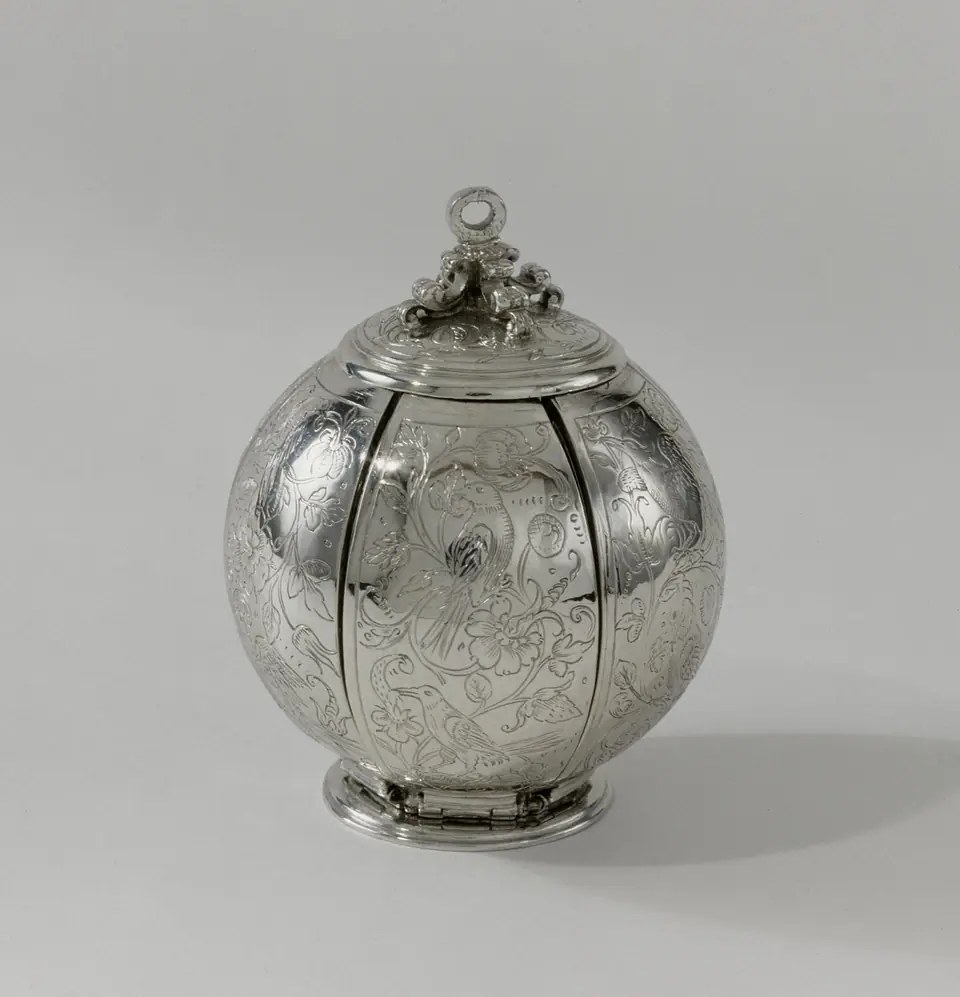
Drawing on historians in their introduction, Rowland, Sutton and Knowles (2018) note that ambergris was known since the ninth century and used in pomanders and perfumed gloves, including gloves for Queen Elizabeth I and Catherine de Medici. Inoue (2017) identifies it among the principal ingredients in the perfume-making text attributed to al-Kindi.
Pelliot (1959) explains that European usage borrowed the Arabic word anbar in the 11th century, when it meant ambergris rather than fossil amber.
How is ambergris tincture made and aged?
The “Ambra” monograph in Arctander's 1960 reference describes powdering ambergris and ageing it in alcohol as a tincture, rather than using the raw material as it is.
His “Tinctures” entry gives a conventional tincture containing 3 percent ambergris in 90 percent ethyl alcohol; alkali is usually added. He specifies ageing it for at least 6 months. These are historical reference figures, not a recipe to follow.
Read this graphic as text
A reference tincture, according to Arctander's 1960 reference. Historical and reference sources. Not a recipe. Powdered ambergris is the starting material. Tincture: 3% ambergris in 90% ethyl alcohol. Alkali is usually added. Ageing: At least 6 months. Use in perfumes: Arctander records that tinctures are generally believed to need 6 months or longer before use in perfumes. Source for all four connected steps: Arctander 1960. Piesse's separate account describes essence of ambergris kept for mixing into other perfumes. Source: Piesse 1857.
Rowland and colleagues (2018) state that ageing in ethanolic solutions can enhance the formation of ambergris odorants. That is a later stage than the weathering of a whole piece at sea.
Arctander calls a preparation made with applied heat an infusion.
Discuss any intended tincture preparation with an experienced perfumer. If you have found an unidentified piece, do not shave, crush or dissolve it. Keep it intact and begin with the ambergris identification guide. Photograph any existing broken surface without making a new one.
What is the difference between ambergris and Ambroxan?
Eichhorn and colleagues (2024) call ambrox “the most prominent olfactive component of ambergris” and describe how it can be manufactured. That makes ambrox the bridge between natural ambergris and a manufactured scent ingredient.
Natural ambergris is the whole material: Wilde and colleagues (2019) describe ambrein and the fragrant compounds formed from it. They suggest that different combinations of volatile compounds help explain why samples and tinctures do not all smell alike.
Each maker describes its own material. Kao describes Ambroxan as adding warmth, volume and sweetness. Givaudan's Ambrofix page describes a persistent ambery ingredient, while dsm-firmenich describes Cetalox as ambery with a strong woody character.
| Name | What it is | Who uses the name |
|---|---|---|
| Natural ambergris | The whole natural material | General material name |
| Ambrein | Its main constituent, with no smell of its own | Chemical name |
| ambrox | Scent molecule, the most prominent odour component of ambergris, also made by synthesis | Chemical name |
| Ambroxan | Fragrance ingredient; Kao lists CAS 6790-58-5 | Kao |
| Ambrofix | Ambery ingredient made by bioconversion from sugar cane | Givaudan |
| Cetalox | Ambery, woody ingredient; dsm-firmenich lists CAS 3738-00-9 | dsm-firmenich |
Read this graphic as text
Natural ambergris is a waxy solid containing ambrein, steroids and fatty acids. Its volatile balance varies with sample colour and age. It forms in sperm whales. Sources: Arctander 1960; von der Lühe et al. 2019; Wilde et al. 2019; Rowland et al. 2018. Manufactured ambrox is the most prominent odour component of ambergris, made by synthesis. Source: Eichhorn et al. 2024. Two manufacturing routes follow. From clary sage: clary sage to sclareol to sclareolide to ambradiol to ambrox. Sources: Eichhorn et al. 2024; Yang et al. 2016. From sugar cane (Givaudan): fermentation-derived beta-farnesene to homofarnesol, then an engineered cyclase converts homofarnesol into ambrox. Sources: Eichhorn et al. 2024; Givaudan Ambrofix page. Trade names and makers: Ambrox and Cetalox: Firmenich, dsm-firmenich. Ambroxan: Kao. Ambrofix: Givaudan. Sources: Firmenich 2016; Kao, Givaudan and dsm-firmenich product pages.
The 2016 Firmenich brochure dates the start of Firmenich's ambergris research programme to 1930. Eichhorn and colleagues date the first reported synthesis of ambrox from sclareol to 1950 and identify clary sage as the plant behind the established industrial route. Yang and colleagues (2016) describe the manufacturing route: sclareol is converted to sclareolide, then reduced to ambradiol, which is cyclized to ambrox. Their account concerns making the scent molecule from a plant-derived starting material, rather than extracting it from a natural ambergris piece.
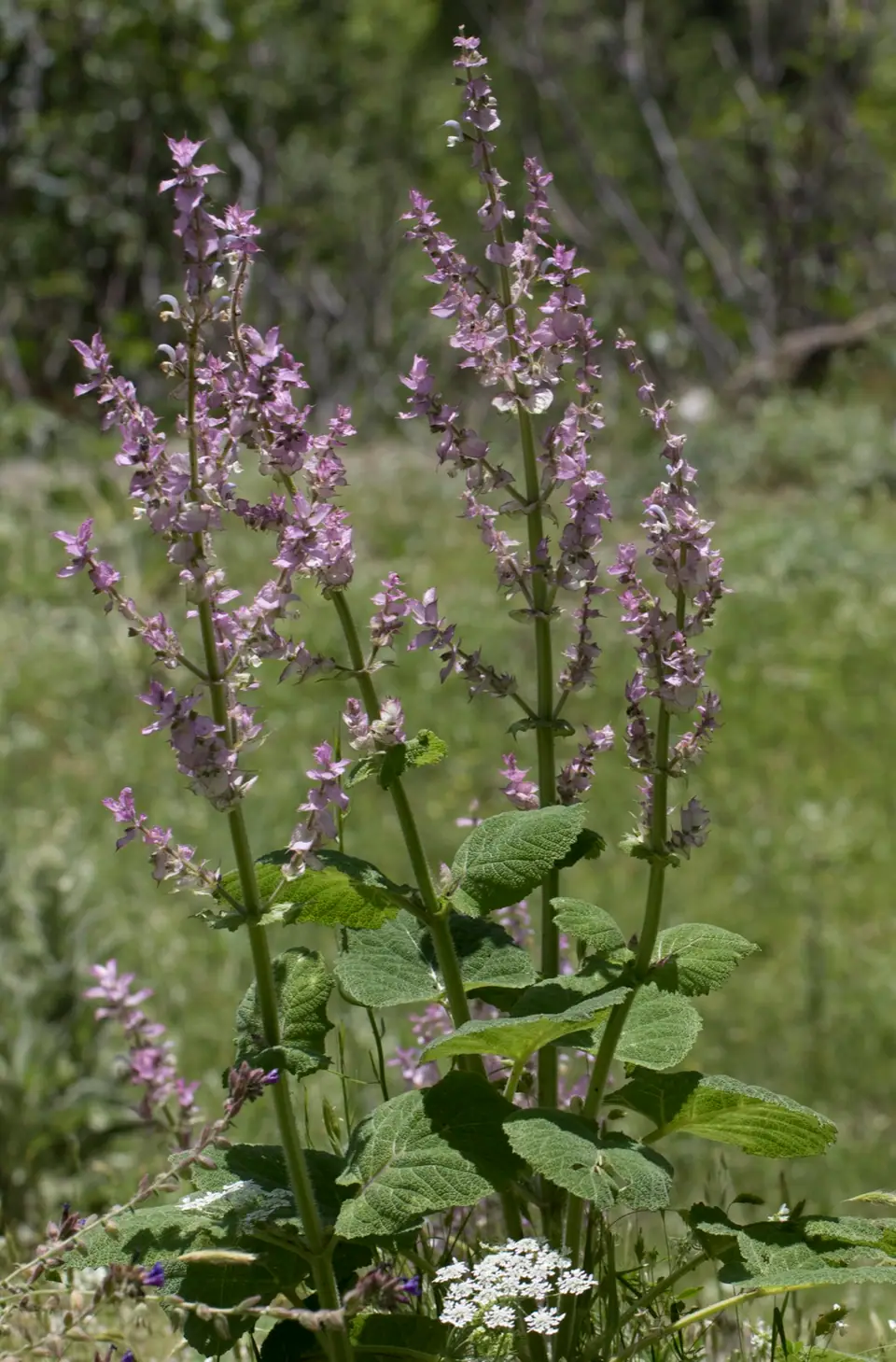
Givaudan describes its current Ambrofix process as starting with sugar cane and using multistep bioconversion.
The brochure uses Ambrox as Firmenich's trade name for its product. In it, perfumer Pierre-Alain Blanc credits the discovery and synthesis of ambrox with widening the range of ambergris-like materials. Alberto Morillas, also quoted there, describes Ambrox Super in terms of depth and natural sensuality.
Firmenich also rates Ambrox Super as lasting more than a month on a smelling strip. That is a statement about its ingredient on a strip, not a promised duration for a finished perfume on skin.
The registry numbers in the table come from the makers' own pages, so that each material can be looked up. They are not a claim that two products are the same.
Is ambergris still used in perfume?
Yes. At least one recent perfume is documented as using it: Anna Fixsen's 2025 interview in Wallpaper documents Francis Kurkdjian using it for Édition Millésime.
Kurkdjian tells Fixsen: “Real ambergris brings indescribable, intangible, sexiness.” Kurkdjian also describes greater volume and sillage than the earlier Baccarat Rouge fragrance. These are his impressions of that particular composition.
A scent description alone is not evidence of a natural ingredient. Ask the maker whether the perfume contains natural ambergris or uses manufactured materials for the effect.
Is pale ambergris always better for perfume?
In my experience, pale pieces have usually weathered longer and developed a more delicate scent. I sort ambergris into three broad grades: white and pale, grey, then black or dark brown. Many pieces mix colours, so I grade the whole piece, not one patch.
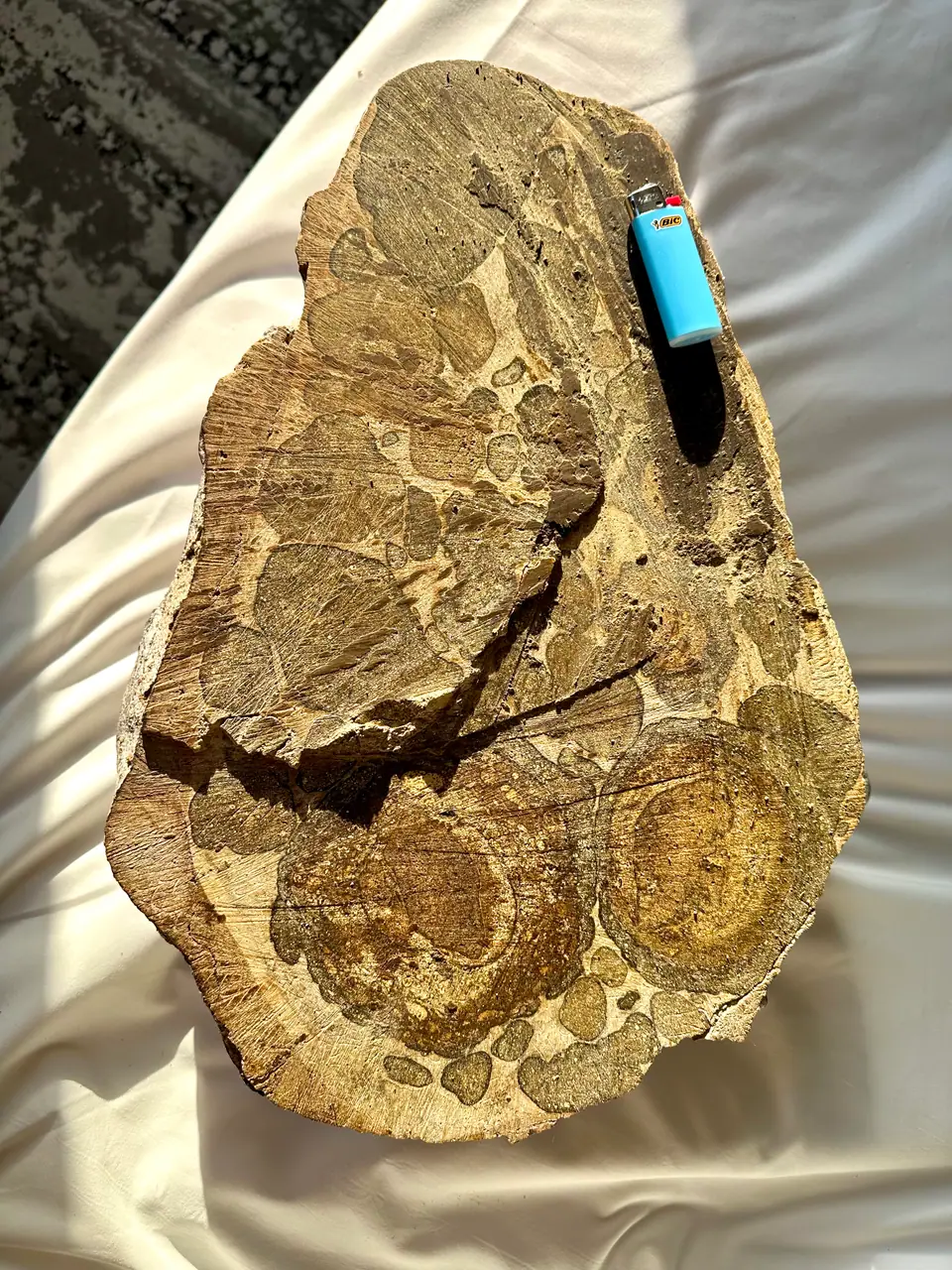
Colour alone does not tell you the scent. Rowland and colleagues (2018) describe a black fragment from an archive, not a beach find, that smelled similar to synthetic ambrox. My white ambergris guide explains how pale colour fits into an assessment.

For a fuller account of how I assess a whole piece, see my grading guide. My photo assessment is a first read; physical inspection confirms it.
In my experience, pieces kept sealed in plastic sweat and lose their scent, so I keep mine wrapped in paper or cloth. For an unidentified find, keep it intact and follow the first-steps guide.
Frequently asked questions
Here are the short answers to common questions about ambergris in perfume.
What does ambergris smell like?
In my experience, aged ambergris smells sweet, earthy and musky, while fresh material can smell sharp and faecal. The “Ambra” monograph in Arctander's 1960 reference describes seaweed, wood and moss associations with a sweet, dry undertone. A pleasant or familiar smell alone is not enough to identify an unknown beach find.
Is ambergris still used in perfume?
Yes. Anna Fixsen's 2025 Wallpaper interview documents natural ambergris in Francis Kurkdjian's Édition Millésime. Manufactured ingredients also provide related scent effects: Kao describes Ambroxan as adding warmth, volume and sweetness. Natural ambergris and a manufactured ingredient are different materials, even when discussed using similar perfume language.
Is ambergris the same as Ambroxan?
No. Wilde and colleagues (2019) describe natural ambergris as containing ambrein and fragrant oxidation products. Kao describes Ambroxan as a named fragrance ingredient that adds warmth, volume and sweetness. It is not a whole natural specimen, and an Ambroxan description does not establish natural ambergris content.
What perfumes contain ambergris?
A note list does not prove natural ambergris content. Anna Fixsen's 2025 Wallpaper interview documents Francis Kurkdjian using natural ambergris for Édition Millésime. For another perfume, ask the maker whether “ambergris” means the natural material or a scent effect made with other ingredients.
Is white ambergris always better for perfume?
No. In my experience, pale pieces have usually developed a more delicate scent, but colour alone does not tell you the scent of an individual piece. I grade the whole piece, not one patch. My photo assessment is a first read, with physical inspection needed to confirm it.
Should I cut a beach find into flakes for a perfumer?
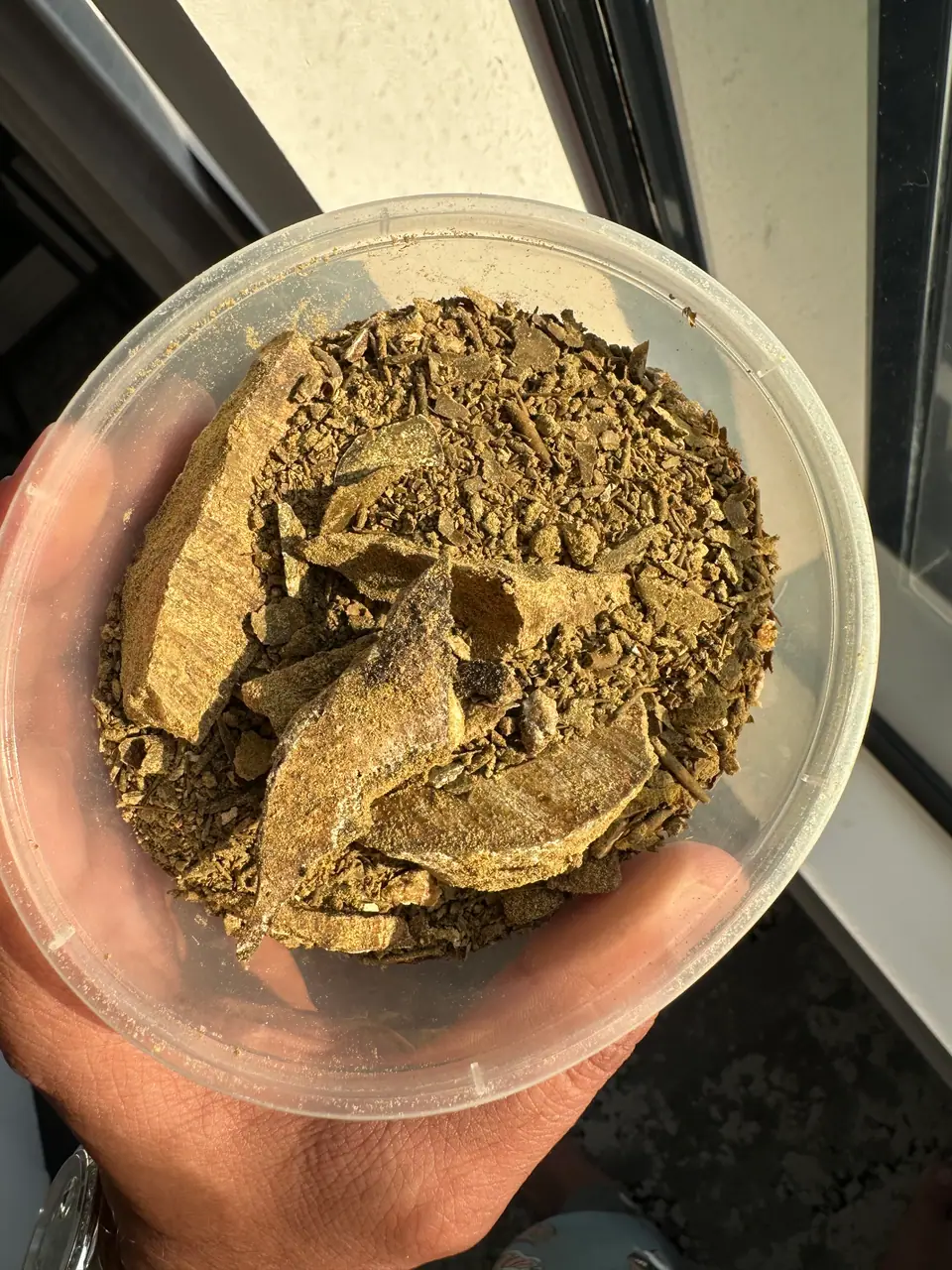
No. Do not shave, crush or dissolve an unidentified piece. Keep it intact and photograph the whole object, several angles and any existing breaks. My photo assessment is a first read, with physical inspection needed for confirmation. The photograph of flakes in this article is not a reason to alter your find.
If you have found a possible piece, send photos for a free assessment. I review every photo myself and reply within 24 hours.
Image credits: Pomander photograph by Rijksmuseum, Amsterdam, via Wikimedia Commons, CC0; clary sage photograph by Zeynel Cebeci, Wikimedia Commons, CC BY-SA 4.0, resized.