Ambergris Value and Grading Guide
What makes one piece of ambergris worth more than another? Here's how I grade a find, wherever in the world it washed up.
Free and private. I reply within 24 hours. Prefer to chat? Message me on WhatsApp.
What decides the value of ambergris?
Ambergris is graded by colour, age at sea, weight, purity and scent. White grades highest, then grey, then black or dark brown, and an older, cleaner, sweeter-smelling piece is worth more by weight. I'm Nabil Valiulla of Ambergris Canada, and I grade finds from anywhere in the world from photos, for free.
Five things, read together. No single one sets the value on its own.
Colour
Colour is the clearest sign of grade. White and pale pieces grade highest, grey sits in the middle, and black or dark brown pieces grade lowest.
Age at sea
Ambergris changes as it drifts. Sun, salt water and air slowly harden it, lighten it and mellow its smell. The longer a piece has aged, the higher it usually grades.
Weight
Ambergris is valued by weight, but weight and grade work together. A small piece of a high grade can be worth more than a large piece of a low one.
Purity
Sand, grit, shell and seaweed add weight without adding value. A clean piece grades higher than one full of debris.
Scent
An aged piece smells sweet, earthy and musky, and the scent grows when it is gently warmed. A sharp, fecal smell marks a fresh piece, which grades lower.
How is ambergris graded by colour?
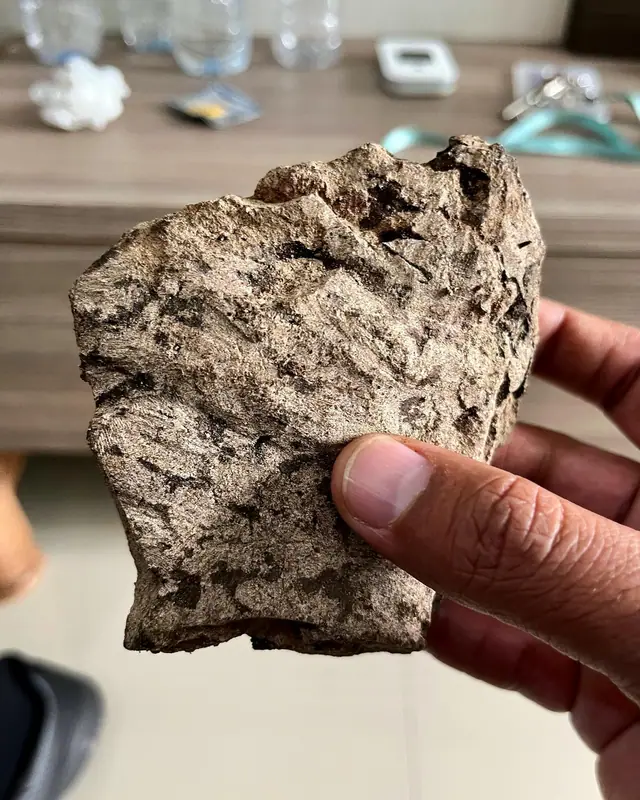
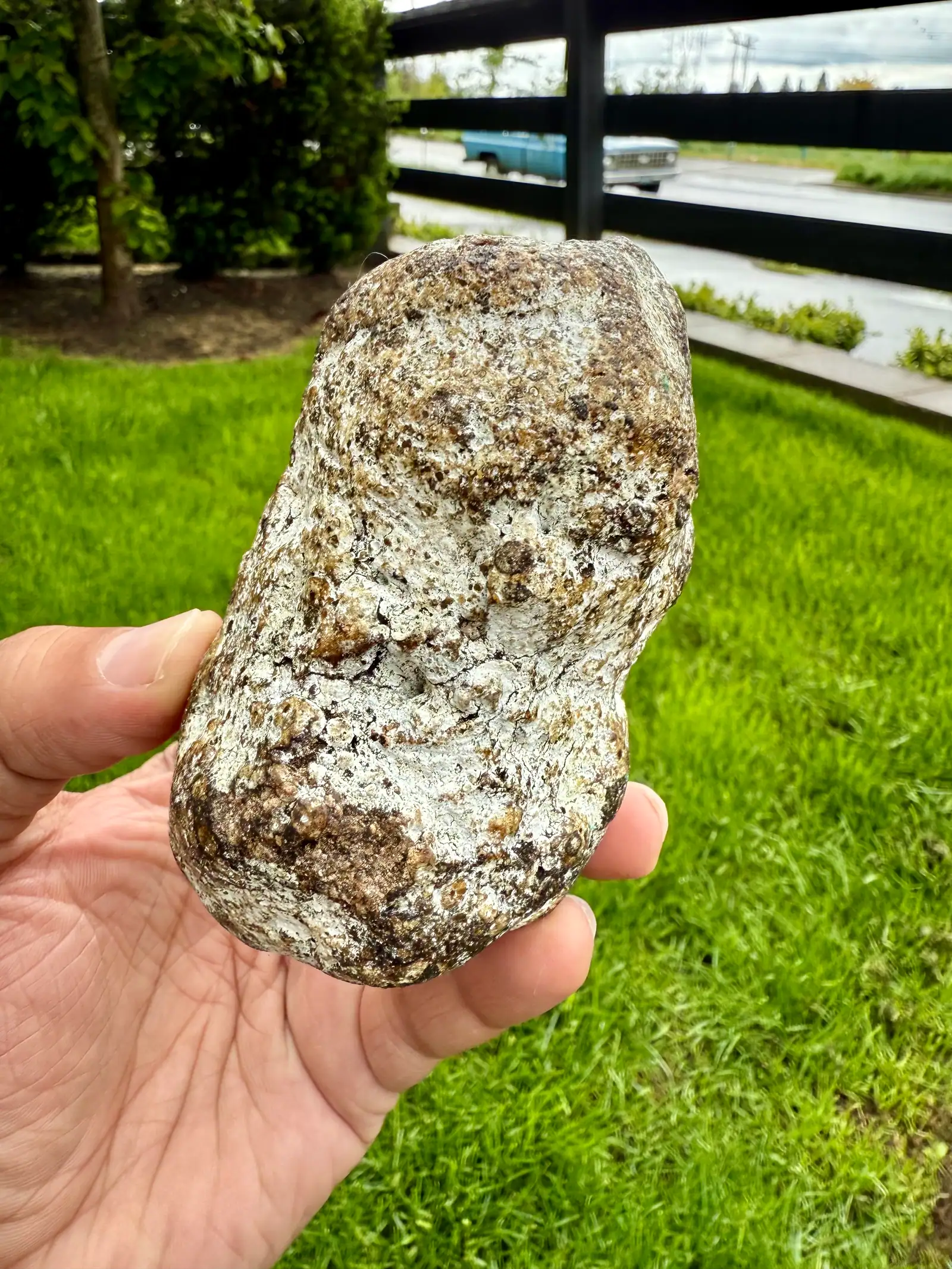
I sort pieces into three broad grades. Many pieces mix colours, so I grade the whole piece, not one patch.
-
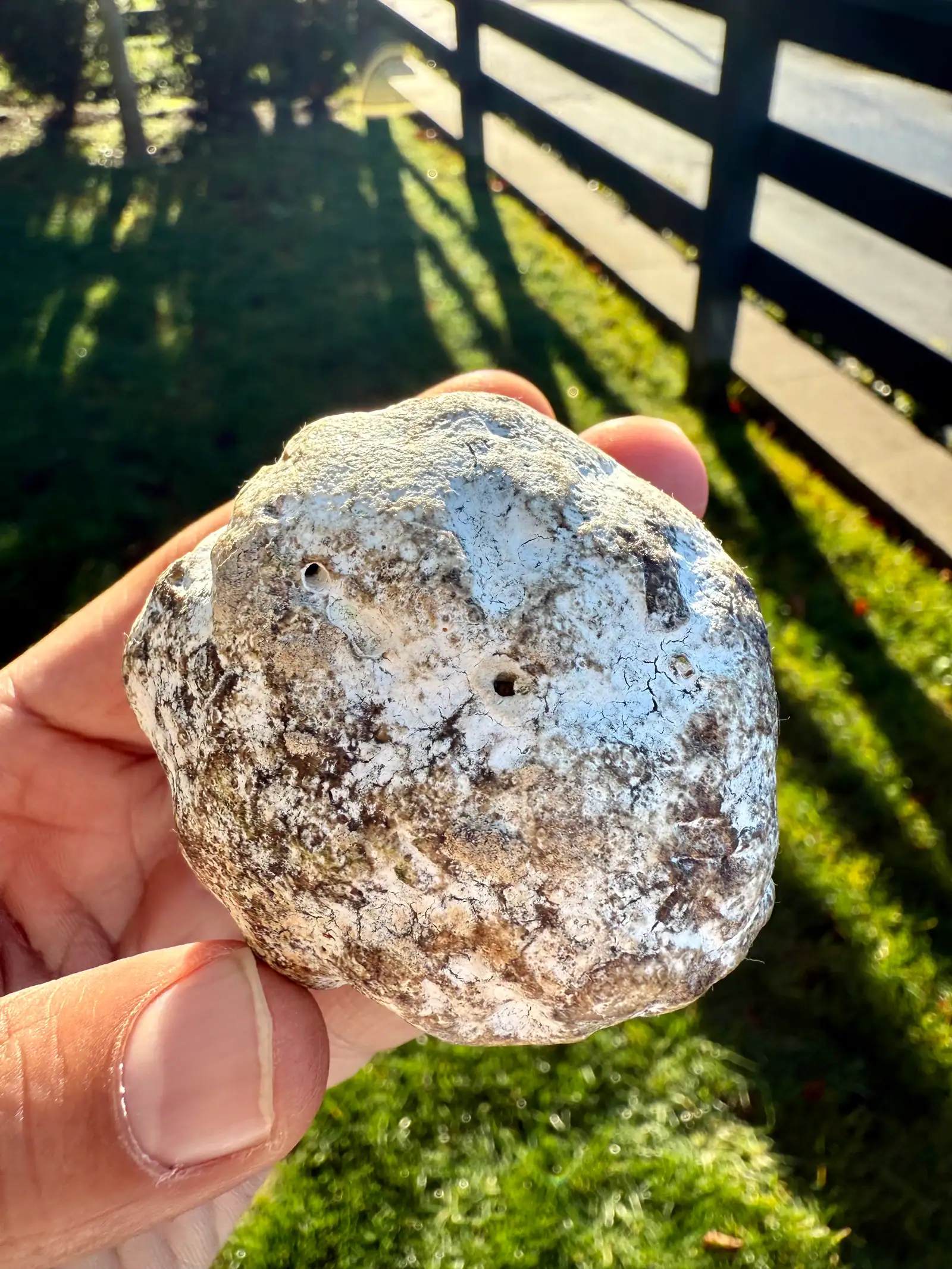
White or pale
- Colour
- White, cream or pale silver-grey
- Time at sea
- The longest
- Scent
- Sweet, earthy, musky
- Grade
- Highest
-
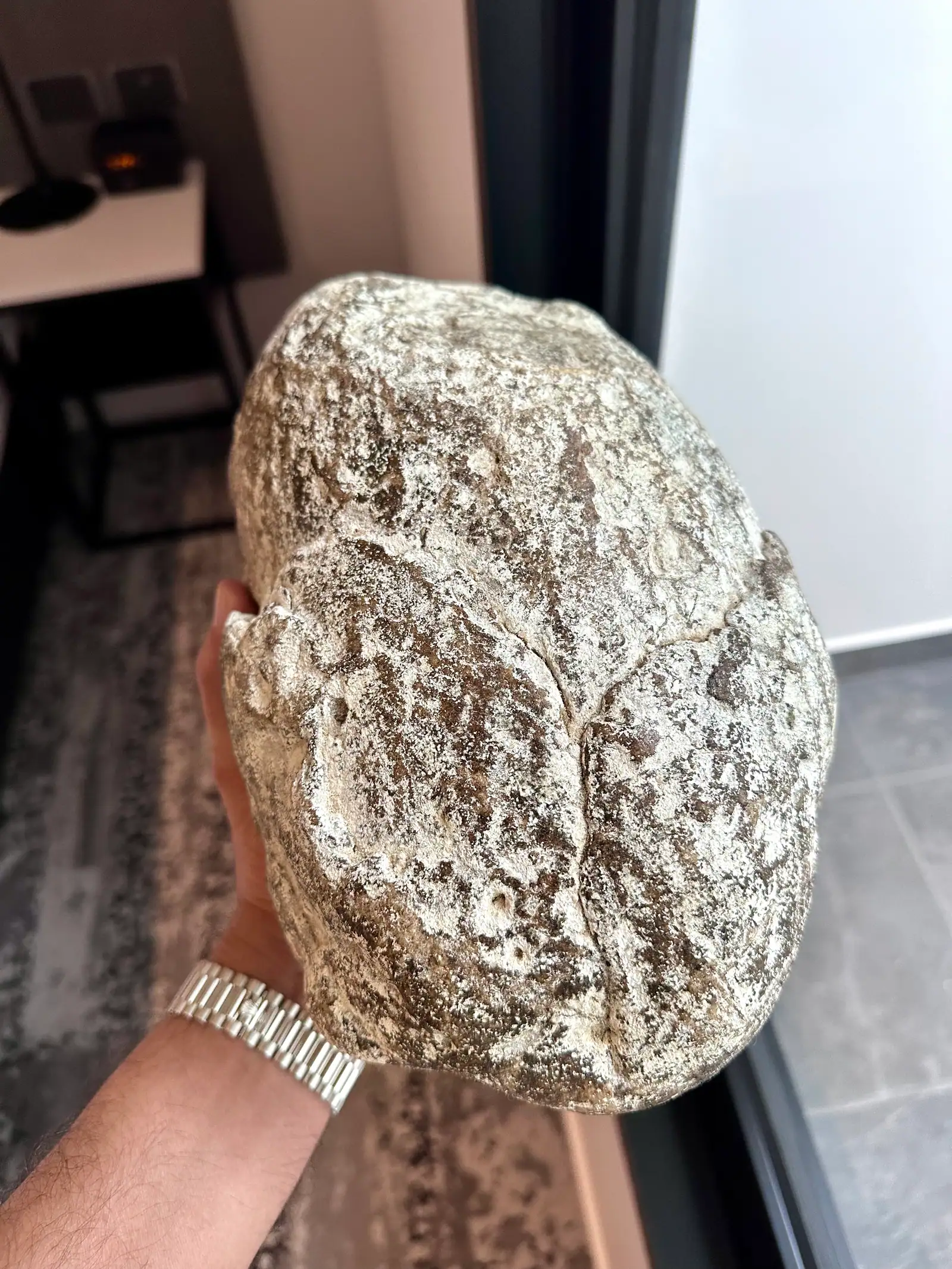
Grey
- Colour
- Mid-grey, often mottled
- Time at sea
- Moderate
- Scent
- Earthy, musky
- Grade
- Middle
-
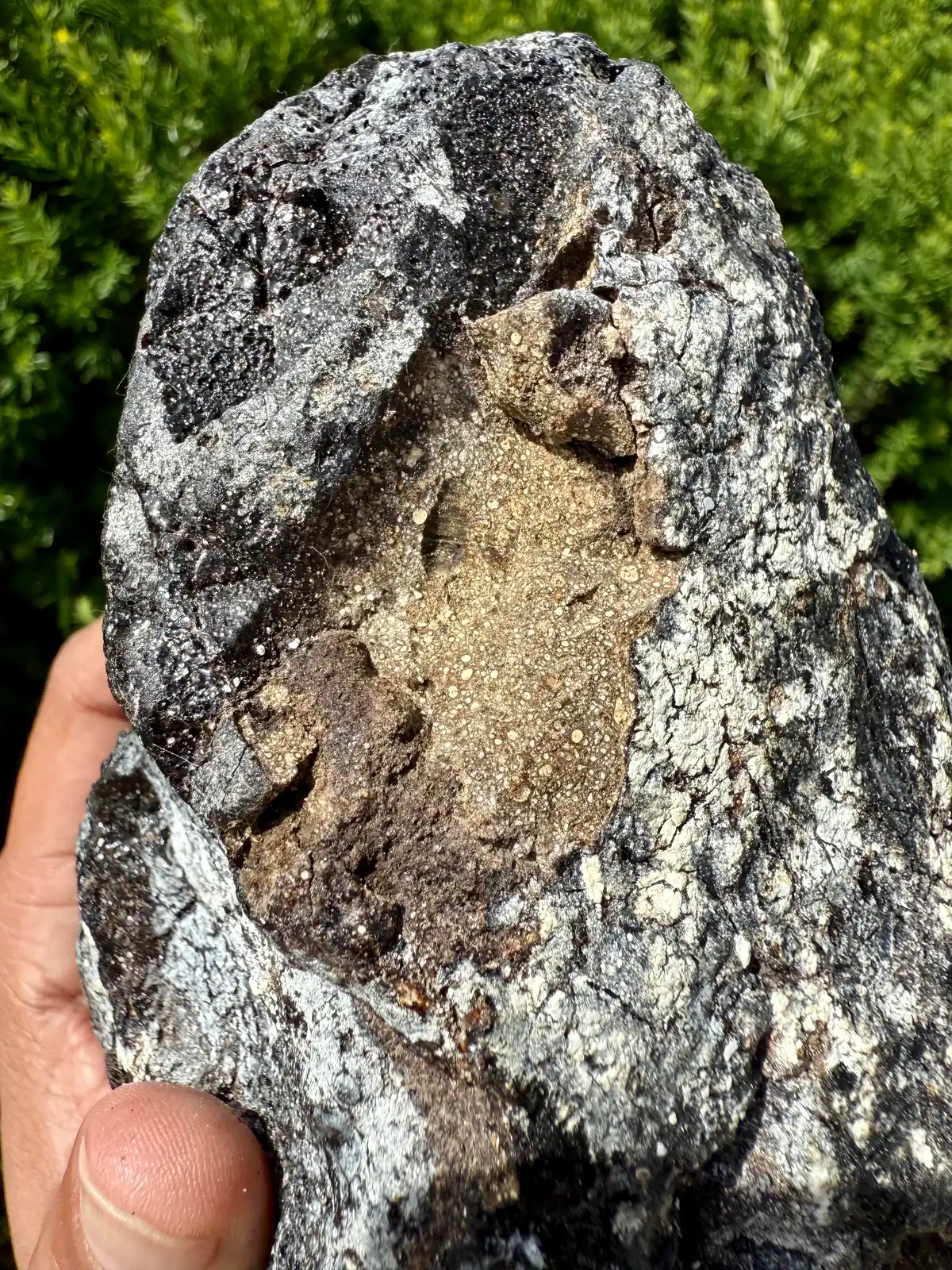
Black or dark brown
- Colour
- Dark brown to black
- Time at sea
- The shortest
- Scent
- Strong, marine, often fecal
- Grade
- Lowest
White is the rarest grade, because it takes the longest at sea to form. Most beach finds are grey or dark, and they are still worth having graded.
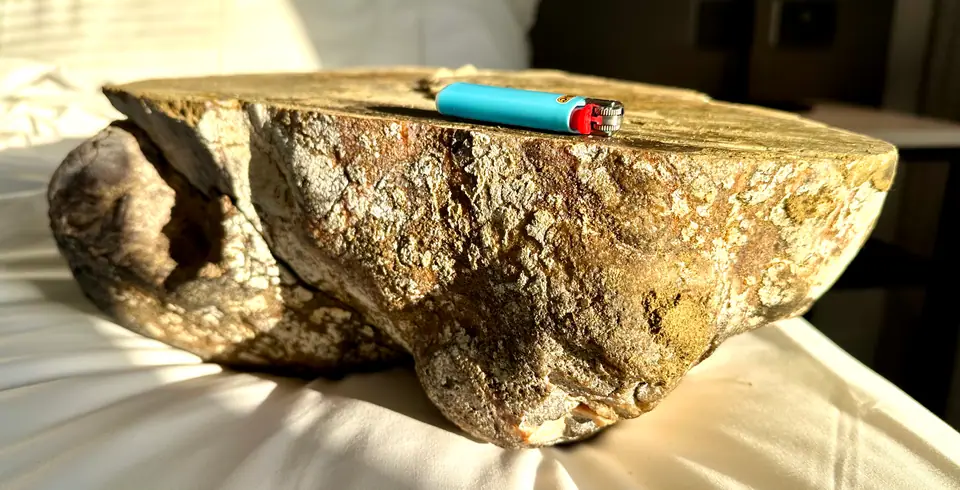
Why does time at sea matter?
Ambergris starts dark, soft and sticky, with a strong, sharp smell. Drifting at sea, often for years, it slowly hardens, lightens and dries.
As it ages, the harsh smell fades into the sweet, earthy, musky scent that perfume houses prize. That is why colour and scent tend to rise together: an older piece is usually paler and sweeter.
How to identify real ambergrisHow do I protect its value before it's graded?
How you treat a piece from the day you find it shows in its grade.
Don't wash or soak it
Water soaks into ambergris and can damage it. Brush off loose sand gently instead.
Don't cut, sand or polish it
Any change to the surface can lower its grade, and it makes the piece harder to assess.
Keep it dry, and let it breathe
Wrap it in cotton cloth, or keep it in a canvas bag or wooden box. Never seal it in plastic, and keep it away from sun, heat and strong smells.
Weigh it
A kitchen scale is fine. Send the weight with your photos.
Photograph it in daylight
Top, bottom and sides, with a coin or your hand in one photo for scale.
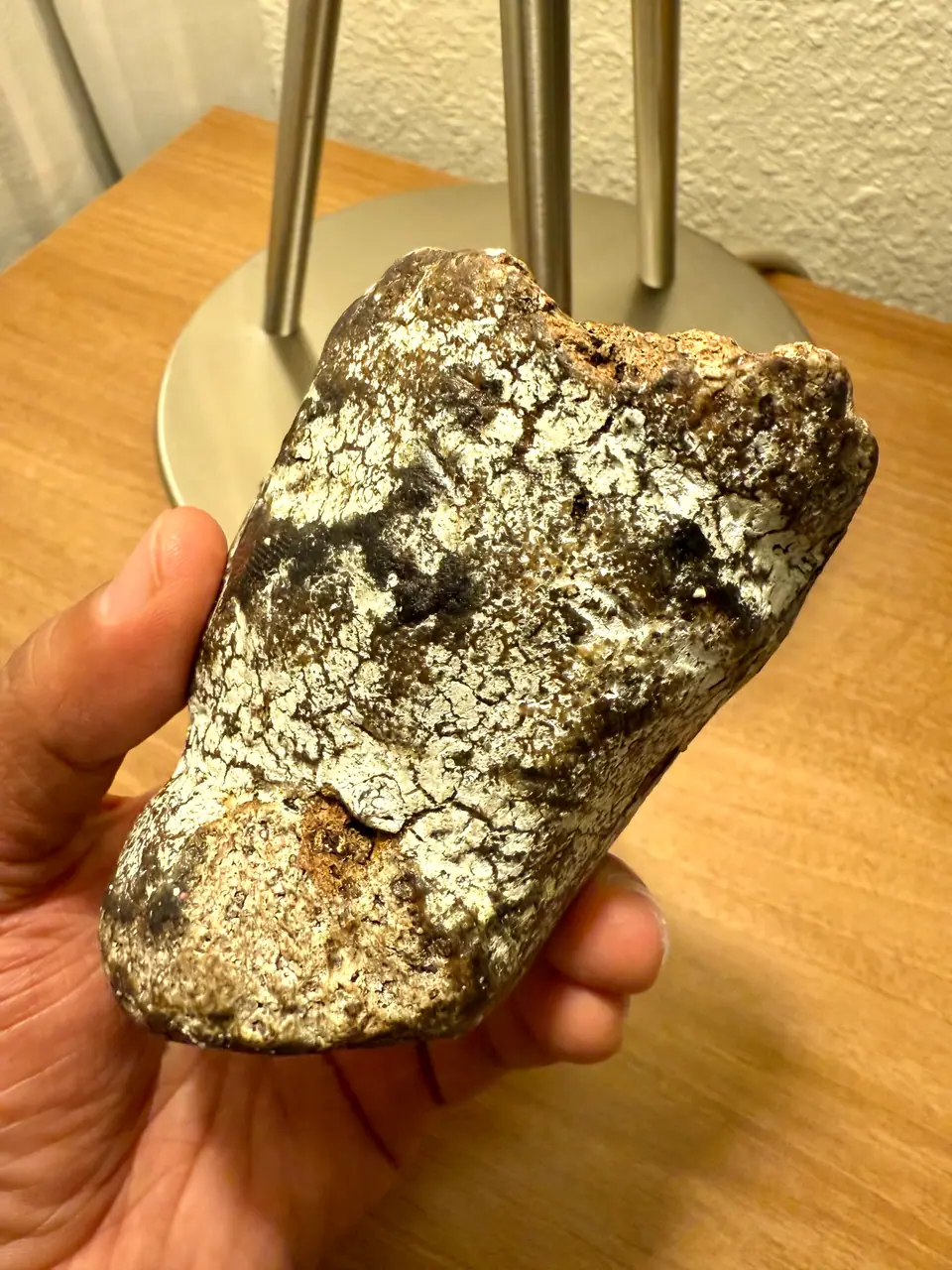
Value and grading: common questions
How much is ambergris worth?
There is no single price. Value depends on grade, weight, purity and scent, and on what perfumers are looking for at the time. Send me photos and I'll value your piece, for free.
Which colour of ambergris is the most valuable?
White. It has aged the longest at sea and has the sweetest scent. Grey comes next, then black or dark brown.
Is black ambergris worth anything?
Yes. It is the most common grade and the lowest, but it is still bought and sold. A dark piece is always worth a proper assessment.
Does a small piece have value?
It can. Weight and grade work together, so a small piece of a high grade can matter. Weigh yours and send the weight with your photos.
Can cleaning or polishing make it worth more?
No. Washing, sanding, cutting or polishing can lower the grade. Send it to me as you found it.
How do you grade a piece from photos?
I read the colour, the surface, the texture and any broken edge that shows the inside, against the weight you send. If a piece looks promising, I tell you what I see and what happens next.
Keep reading
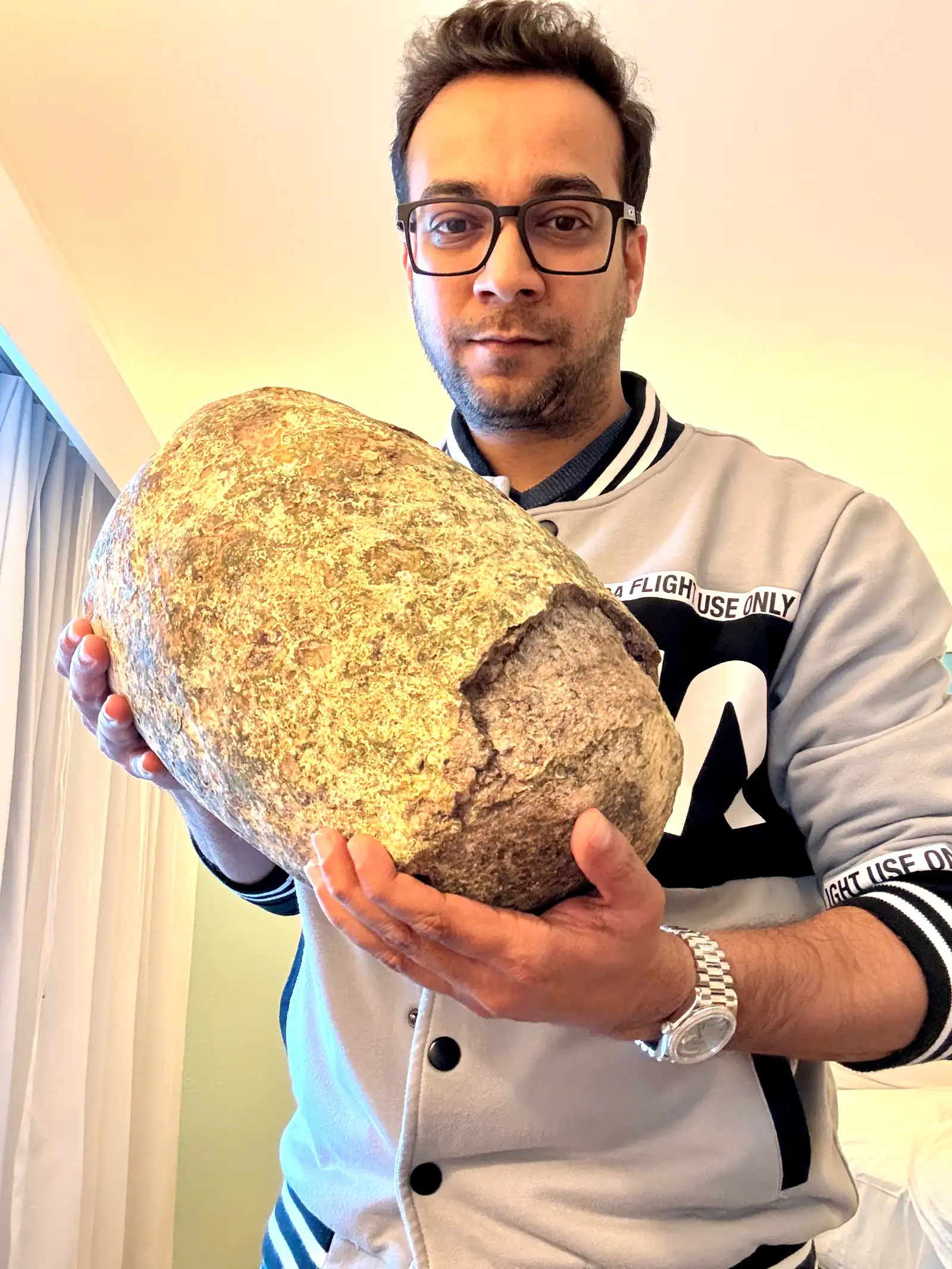
Find out what grade you have.
Send me clear photos and the weight. I grade every piece myself, for free, and reply within 24 hours.
- Call Nabil · Vancouver, Pacific time+1 (778) 713-5786
- Email Nabilcontact@ambergriscanada.com
See what I find, as I find it
I post new pieces, field trips and identification tips on Instagram.