Found ambergris? What should I do in the first 24 hours?
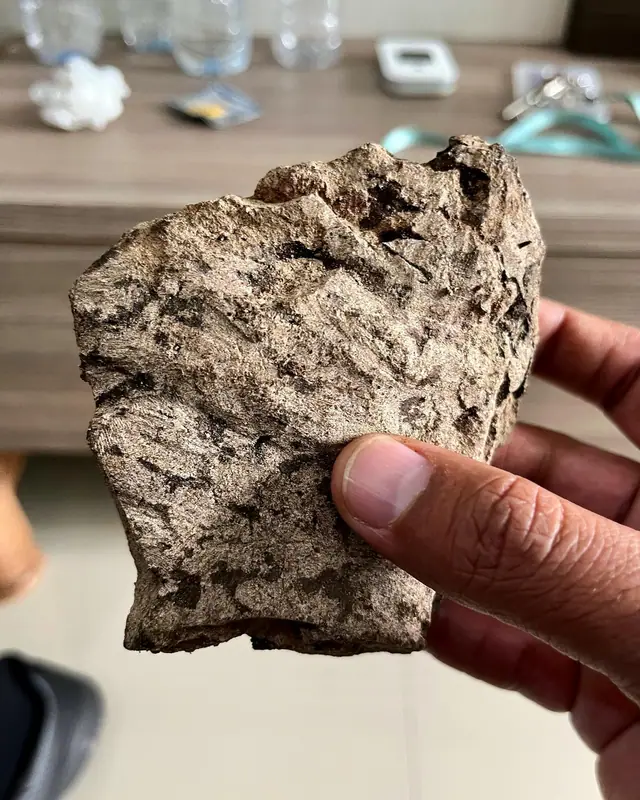
If you think you have found ambergris, leave it unwashed, take clear daylight photos, and keep it dry in loose paper or cloth. Compare it with genuine examples, then send me your photos for a free first assessment. You do not need to cut, soak or ship it to start.
An unusual beach find can make you want an answer immediately. I understand that. I've assessed 4,678 specimens since 2004, and most beach finds turn out to be something else. Your first steps are simple: keep the piece as you found it and record enough detail for me to assess it.
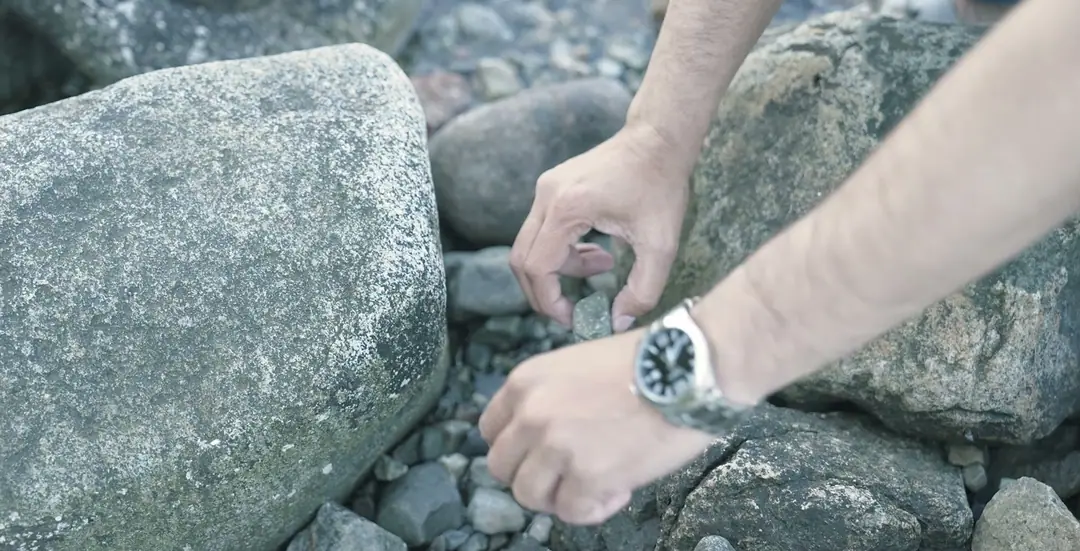
Why shouldn't I wash my find?
Leave it unwashed so your first photographs show its original condition. I want to see the surface, including sand, weathered patches and the shape of any crust, before you change it.
Do not scrub it, soak it in a bucket or try to polish a patch. My handling advice for suspected ambergris is to keep it dry. For my first assessment, a clear photograph of the untouched surface is more useful than a cleaner-looking piece.
If you already washed it, say so when you contact me. That is useful information, not a reason to stop asking. Photograph its present condition and explain what you did.
If the object looks like hazardous waste or an unknown chemical substance, leave it alone and seek local advice. A possible ambergris find does not justify handling something unsafe.
What photos should I take first?
Take three to five photos in natural daylight, without flash: the whole piece, another side and a close view of the surface. Include a coin or ruler in one photograph so I can judge scale.
A close-up alone gives me little sense of size. A distant photograph can hide the texture. Keep each view in focus, with the piece large enough in the frame for me to see its details.
If it can be handled safely, a short video showing gentle pressure from a thumbnail can help me understand its feel. Do not force the nail through the piece or break it to make the video.

Keep the original photographs and choose which ones to send later. Do not apply a filter to make the colour match a photograph online. I need to see your find as it is, including details that do not seem to match.
How should I store it overnight?
My advice is to wrap the piece loosely in dry paper or cloth and keep it at room temperature, out of direct sun. Avoid an airtight container.
In my experience, pieces kept sealed in plastic sweat and lose their scent, so I keep mine wrapped in paper or cloth. Store separate pieces separately so you can show and describe each one clearly.
There is no need to oil it, perfume it or dry it on a heater. Keep it as it is for assessment, and leave cutting and sampling out of your first-day plan.
Note anything you have already done to it. For example, say if you rinsed it before reading this guide or if it was already broken when you found it. Those details help me understand the photographs without guessing.
What can I check without damaging it?
Observe the surface, colour, how heavy it feels for its size, and any scent you notice without altering it. Use my ambergris identification guide to compare those signs.
In my assessments, I look for several observations that fit together. I would not identify a piece from a waxy feel or pale colour alone. Compare the whole piece with examples in the real ambergris specimen gallery, rather than matching one colour in a search result.
| First-day choice | What it helps you do | What it cannot tell you |
|---|---|---|
| Photograph the whole piece | Record the original shape and surface | Prove its identity |
| Include scale and several angles | Show size and variation across the piece | Capture scent or feel |
| Compare several signs | Notice agreements and contradictions | Turn a home check into authentication |
| Keep it dry and intact | Leave the next assessment options open | Establish its grade |
Try this: which photo would you send first?
You have a sharp close-up of one pale patch and a clear whole-piece photo beside a ruler. Choose the whole-piece view first, then add the close-up. The ruler establishes scale; the close-up adds detail. Neither view proves the material, but together they make a more useful starting point.
How do I send the photos?
Use the free photo assessment form, or contact me on WhatsApp. I review each submission myself and reply within 24 hours; the assessment is free, with no obligation to sell.
Prepare three to five photographs, then follow the form's upload instructions. Start with your clearest whole-piece view and another useful angle. Send any remaining views and a short video through WhatsApp.
Tell me where you found the piece and what you have already done to it. Describe its smell and feel in your own words. Saying it feels like candle wax tells me more than calling it “definitely ambergris” because it resembles a picture online.
What happens after I send them?
I give you an initial view based on the photographs and your description, and may ask for another angle or more information. Photos cannot provide final authentication or a promise to buy; confirmation requires physical inspection.
My reply within 24 hours does not mean every later step will be completed in a day. Wait for the assessment before making arrangements around the find. Read my guide to selling ambergris for the next steps once you have a clearer idea of what you hold.
Frequently asked questions
You can start with photographs while keeping the piece with you, intact and unwashed. If you have already changed it, tell me what happened.
Should I cut suspected ambergris open?
I would leave it intact for the first assessment. Photograph the outside and any surface that is already broken. Cutting creates a change you cannot undo, and I do not need a fresh cut to begin reviewing your find.
I already put it in water. Is it too late to ask?
No. Stop soaking it, take clear photographs of its current condition, and explain what happened. Include whether you rinsed it or left it submerged. I can review what you show me, even though I cannot see its original condition.
Do I have to send the actual piece for a free assessment?
No. Begin with photographs and keep the piece with you. Use daylight views, show scale, and describe its smell and feel. That first review helps me work out what further information I need before discussing any physical inspection.
Does a free photo assessment mean I must sell?
No. My photo assessment is free and comes with no obligation to sell. It helps you understand the find before deciding what to do. Keep the piece dry and intact while we discuss the assessment.
Ready for a first look? Send me your photos for a free assessment, or use WhatsApp. Keep your find with you, dry and unaltered, while you wait for my reply.