Skip to content
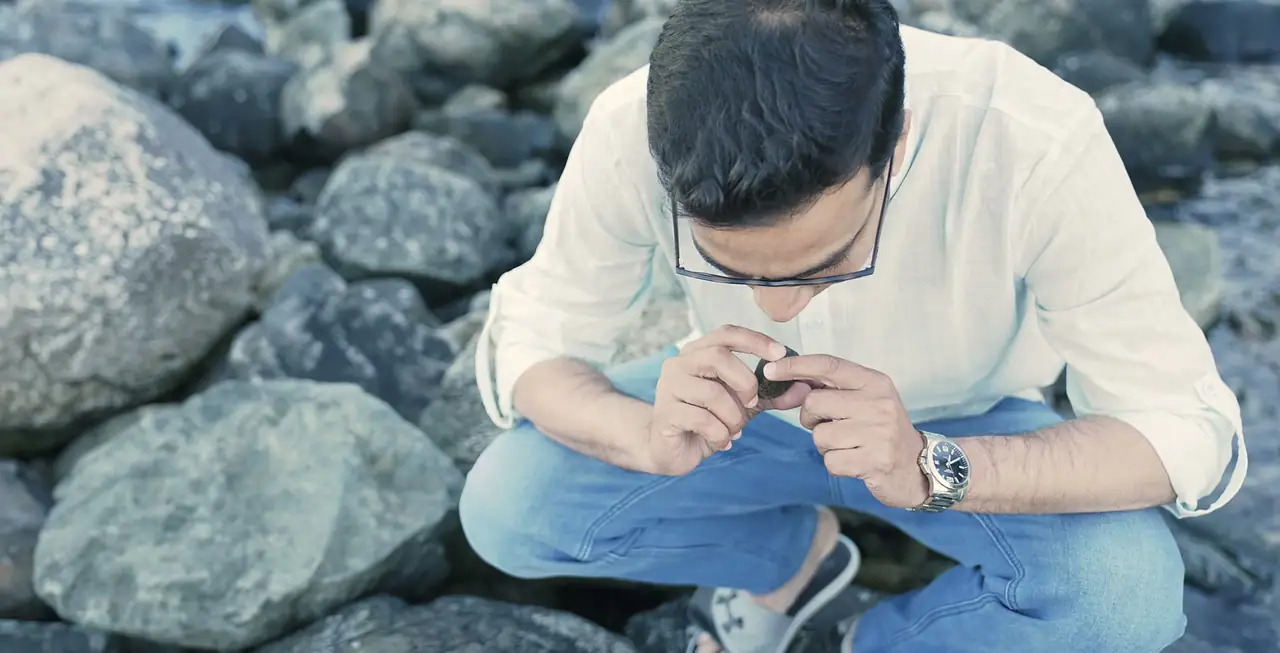
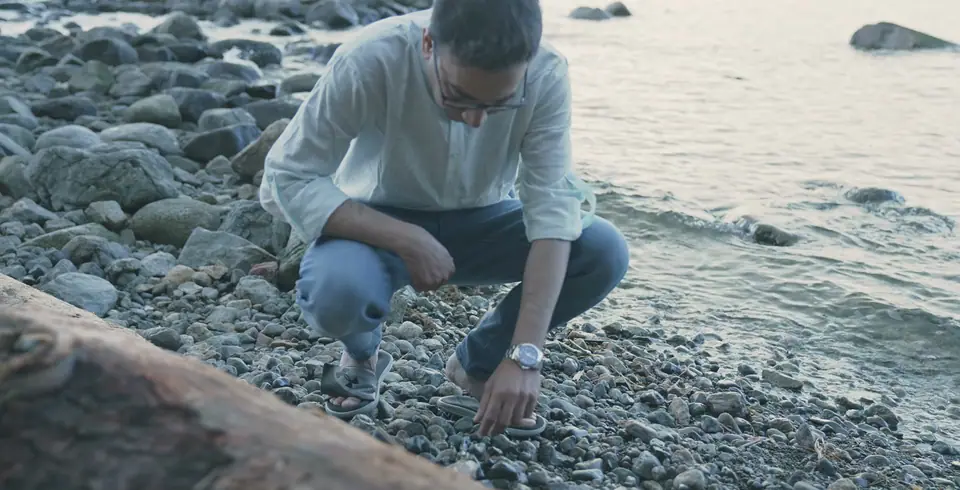
Nabil Valiulla crouching on a pebble beach to pick up a possible find

Ambergris Lookalikes and How to Tell Them Apart

Most strange things on the beach are not ambergris. Compare your find with the usual suspects before you send me photos.

Why is ambergris so easy to mistake?

The finds most often mistaken for ambergris are pumice, candle and paraffin wax, palm stearin, tar balls, seagrass balls, whale blubber, sponges, tree resin and worn rubber. Each one gives itself away by its surface, smell, weight or inside. I'm Nabil Valiulla of Ambergris Canada: compare yours here, then send me photos for a free check.

The sea rounds, bleaches and smooths almost everything it carries. After months adrift, a lump of wax, fat, stone or plastic can look as weathered as real ambergris.

So don't judge by looks alone. Read the surface, smell, weight and inside together, and keep the piece dry and whole until it has been checked.

The common lookalikes, one by one

None of these signs proves ambergris on its own, but each one can rule a lookalike out.

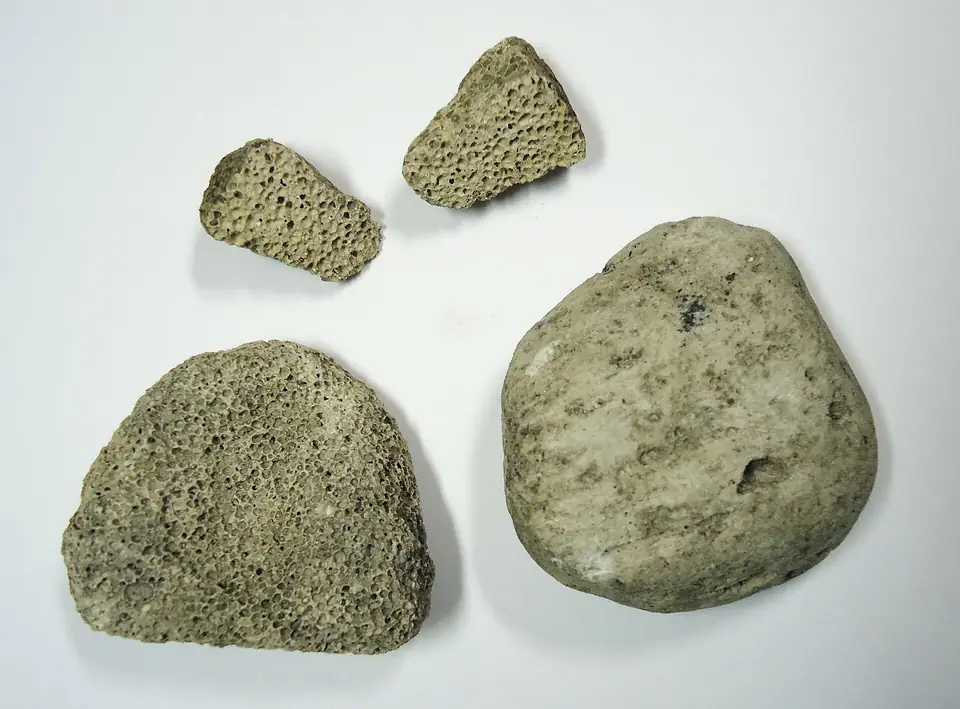
Four grey-green pumice stones, two of them broken open to show the holes

Pumice

Why it fools people:Pale, grey or tan, light enough to float, and stranded on the same tide lines.

How to tell:Pumice is full of holes and feels like rough stone. It has no waxy feel and no musky smell.

Photo: Mauro Cateb, Wikimedia Commons, cropped, CC BY-SA 3.0
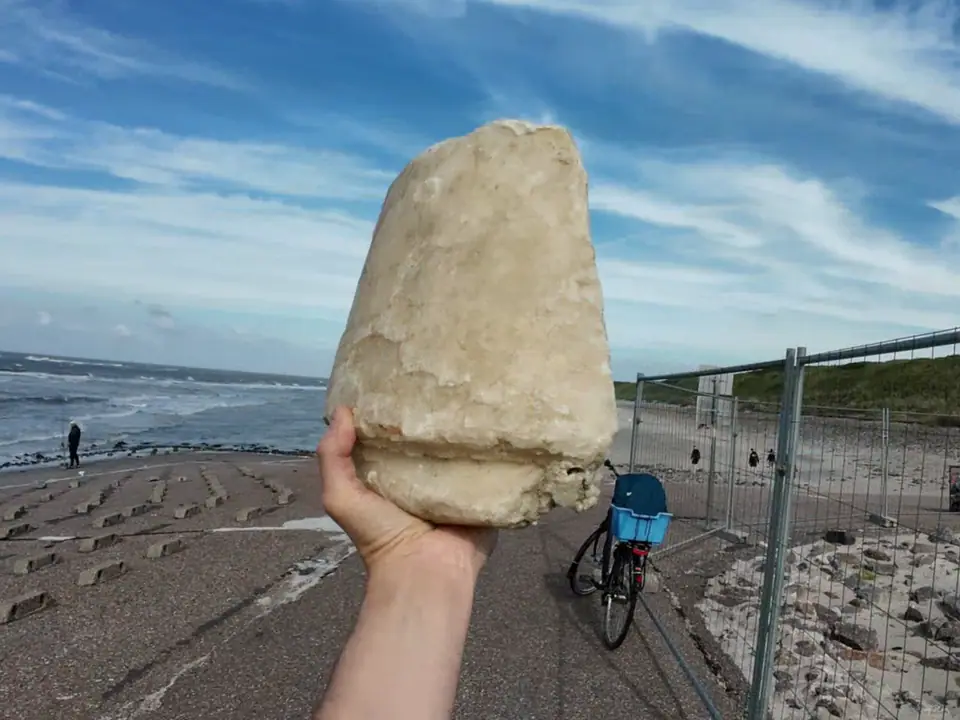
A pale slab of washed-up paraffin wax held up on a beach

Candle and paraffin wax

Why it fools people:One of the most common false alarms: pale, smooth, light, and it floats.

How to tell:Wax looks the same all the way through, with no layers, and smells of candles or of nothing. It melts cleanly under a hot needle, so that test can fool you.

Paraffin wax found on Wangerooge. Still from a video by Rhetos, Wikimedia Commons, cropped, CC BY-SA 4.0

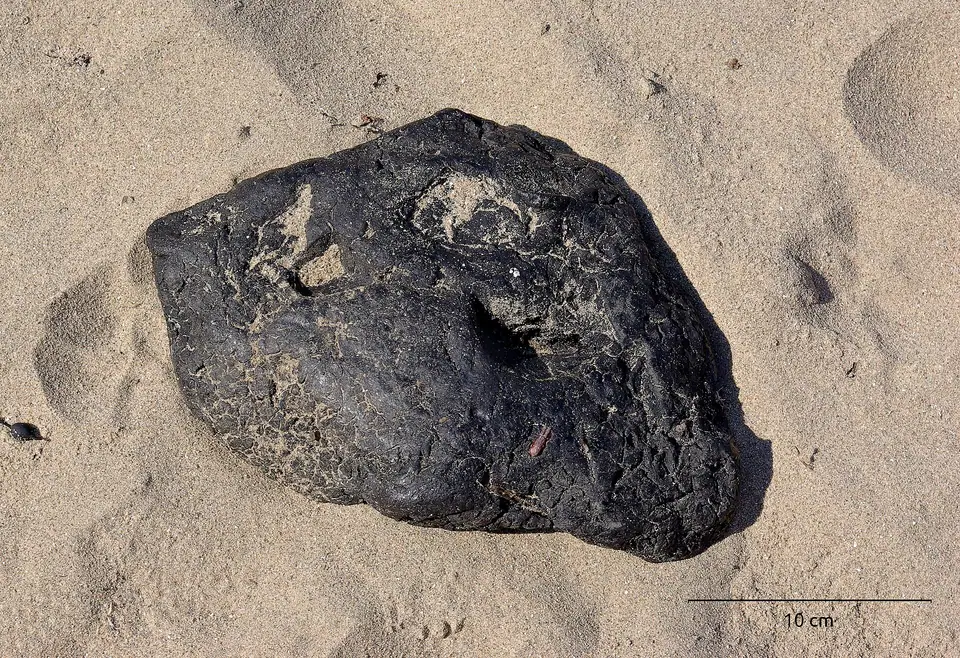
A black tar ball lying on beach sand beside a 10 cm scale bar

Tar balls

Why it fools people:Dark, rounded and sea-worn, much like a fresh black piece of ambergris.

How to tell:Tar stains your fingers, feels sticky or glossy, and smells of petrol or asphalt. Don't pick it up with bare hands; photograph it instead.

Photo: JLPC, Wikimedia Commons, cropped, CC BY-SA 3.0
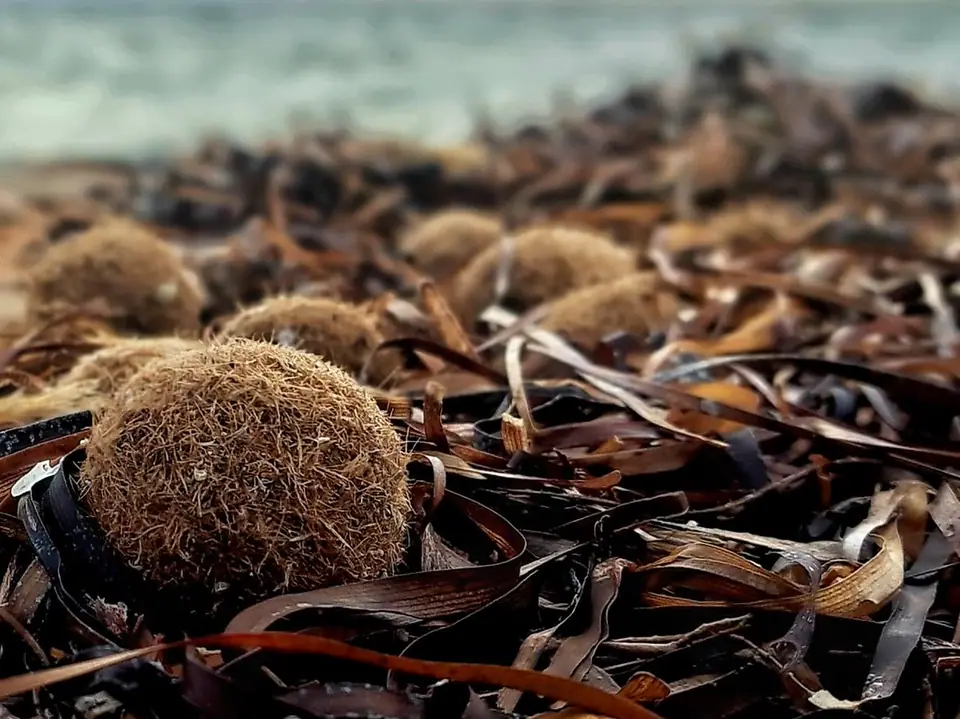
Round brown seaweed balls, made of packed seagrass fibres, washed up among dried kelp on a beach

Seagrass balls

Why it fools people:Round, brown, light lumps that wash up in heaps along the tide line.

How to tell:Up close they are hairy, made of packed plant fibres you can tease apart, and they smell of seaweed or dry grass. No wax at all.

Seagrass sea balls. Photo: Asma Ben Gharbi, Wikimedia Commons, cropped, CC BY-SA 4.0

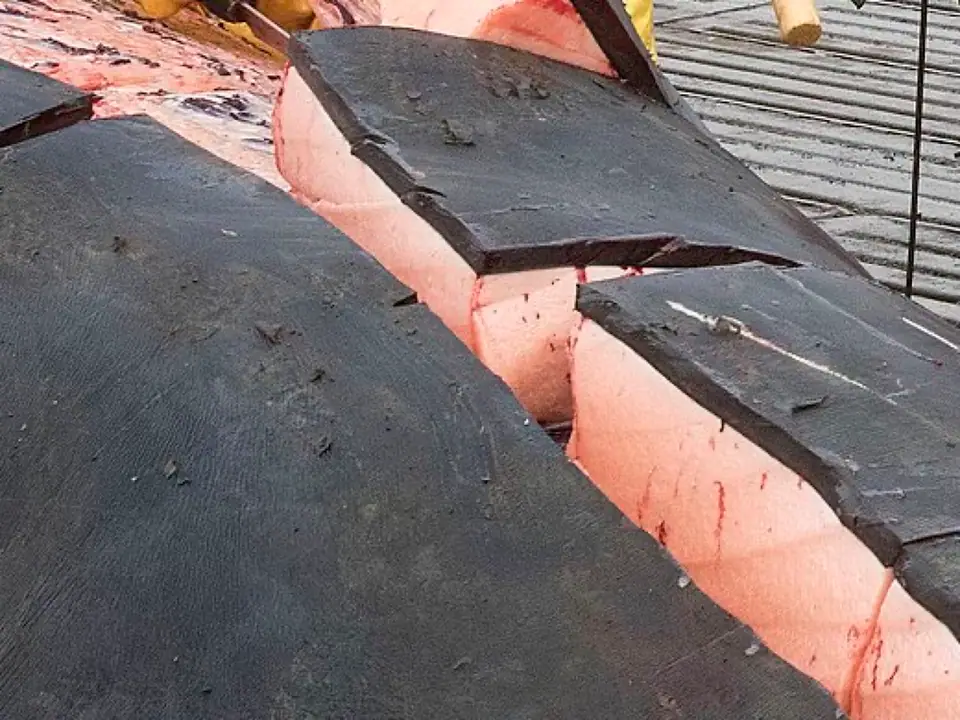
A thick layer of pale whale blubber under black skin, cut open on a bowhead whale

Whale blubber

Why it fools people:It comes from whales too, and it can look pale and waxy on the sand.

How to tell:Blubber is soft, wet and oily, often with black skin attached. It rots fast and smells rancid. Leave it where it is, and don't bring it indoors.

Bowhead whale, Alaska. Photo: Alaska Jack, Wikimedia Commons, cropped, CC BY-SA 4.0

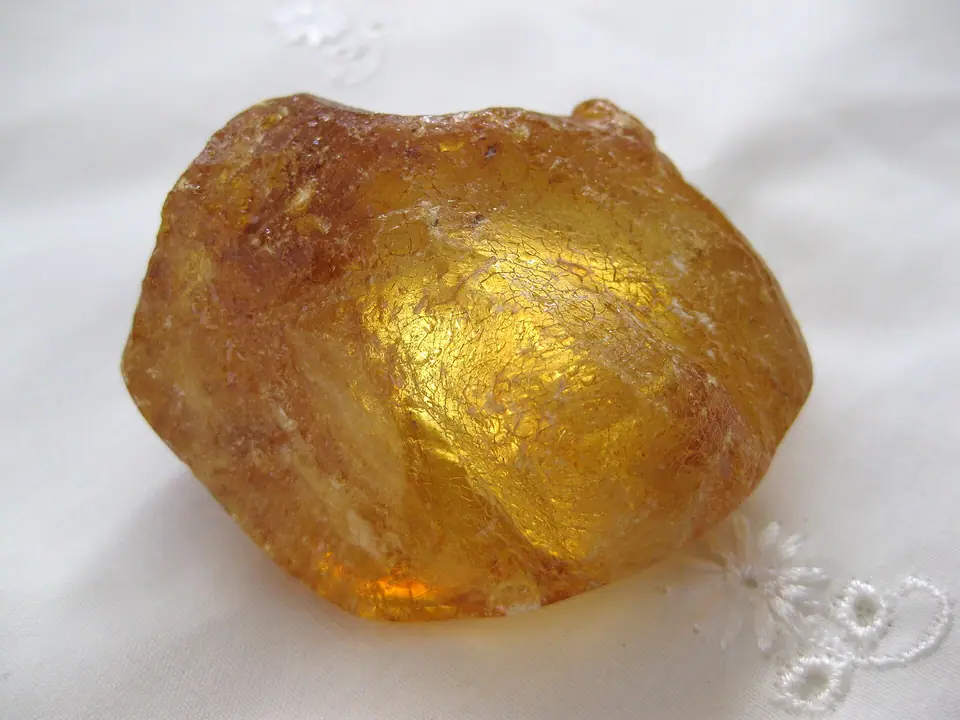
A lump of unpolished kauri gum, a golden tree resin

Tree resin

Why it fools people:Amber to brown, natural, and sometimes rounded by the sea.

How to tell:Resin is glassy, with see-through edges. Fresh resin is sticky and smells of pine.

Kauri gum. Photo: NEON_ja, Wikimedia Commons, cropped, CC BY-SA 3.0
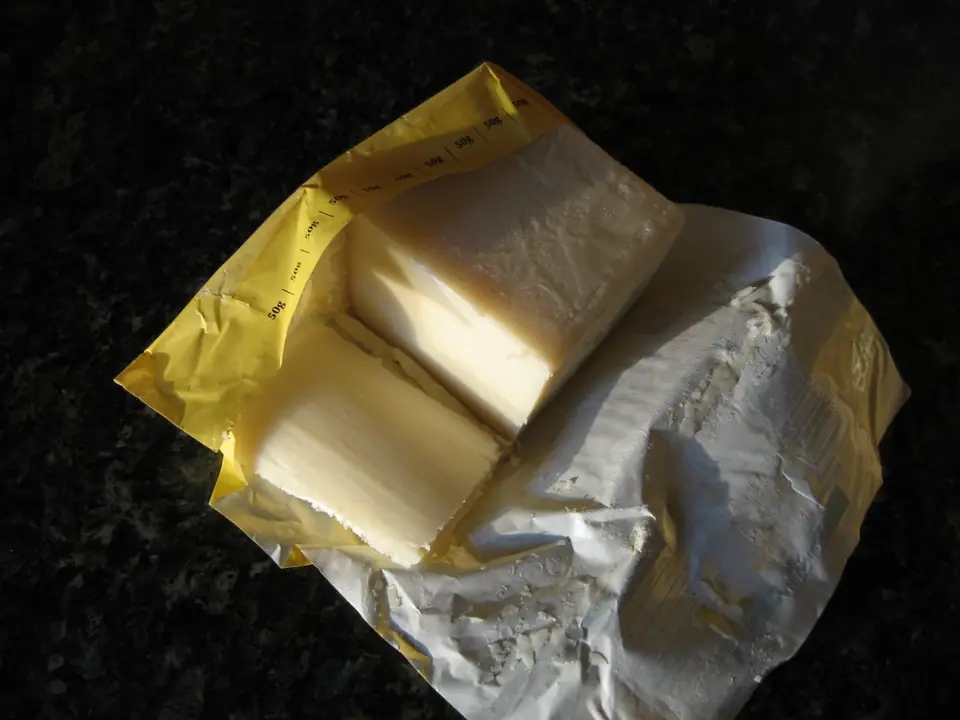
An unwrapped block of solid, pale palm oil

Palm stearin and palm oil

Why it fools people:Hardened palm oil can wash up as white or yellowish waxy lumps, sometimes many at once, and looks surprisingly like pale ambergris.

How to tell:It feels greasy rather than waxy, smears under a fingernail, and smells of cooking fat or soap. It melts very easily, even in a warm hand.

Solid palm oil. Photo: Romain Behar, Wikimedia Commons, public domain

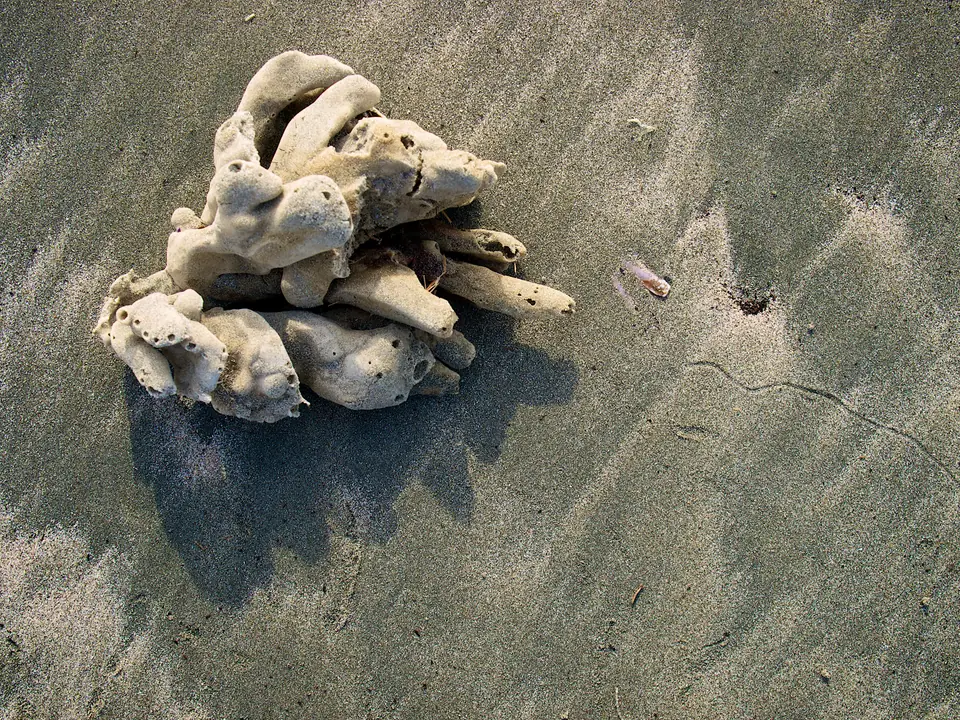
A pale, dried sea sponge washed up on a sandy beach

Sea sponges

Why it fools people:Dried sponges are light, pale or tan and rounded, and they strand in the same places as ambergris.

How to tell:Look for a network of pores and channels. A sponge feels springy or crumbly, never waxy, and smells only faintly of the sea.

Pachena Bay, Canada. Photo: Dale Simonson, Wikimedia Commons, CC BY-SA 2.0

Rubber, plastic and foam

Why it fools people:Months at sea wear them smooth, dull and oddly shaped.

How to tell:They feel elastic, spongy or too hard, and smell of rubber, plastic or chemicals, not musk. Don't heat unknown material to find out.

Ambergris and its lookalikes, side by side

Every lookalike above in one table. Read across the whole row: if most of it matches real ambergris, it's worth sending me photos.

FindFeels likeSmells likeTell-tale sign
Real ambergrisReal ambergrisMatte, slightly waxy, lighter than a stone its sizeMarine when fresh, then sweet, earthy and muskyLayers inside, sometimes squid beaks
PumicePumiceRough, hard and stonyLittle or nothingFull of small holes
Candle and paraffin waxCandle and paraffin waxSmooth, even, slightly slipperyCandle wax, or nothingThe same all the way through, with no layers
Palm stearin and palm oilPalm stearin and palm oilSoft and greasy, smears easilyCooking fat, rancid oil or soapMelts in a warm hand
Tar ballsTar ballsSticky and oily, or hard and glossyPetrol, diesel or asphaltLeaves black stains on your fingers
Seagrass ballsSeagrass ballsLight, hairy and springySeaweed or dry grassPulls apart into plant fibres
Whale blubberWhale blubberSoft, wet and oilyRancid and rottingBlack skin over pale or pinkish fat
Sea spongesSea spongesLight, springy or crumblyA faint sea smell, never muskyA network of pores and channels
Tree resin, rubber and plasticTree resin, rubber and plasticGlassy, elastic or too hardPine, rubber, plastic or chemicalsSee-through edges, or a manufactured look

Four checks that rule out most lookalikes

Do them with the piece in your hand, before you wash, cut or heat it.

  1. 1 · SurfaceMatte and slightly waxy can be ambergris. Holes, fibres, gloss or a sticky film point to a lookalike.
  2. 2 · SmellMarine, earthy or musky can be ambergris. Petrol, candles, cooking fat, rot or plastic point elsewhere.
  3. 3 · WeightAmbergris feels lighter than a stone its size. Pumice and sponges are light too, so read weight with the other signs.
  4. 4 · InsideIf it's already broken, look at the edge. Ambergris often shows layers, and sometimes squid beaks. Don't break it yourself.

Does the hot needle test prove it?

No. A hot needle melts a small spot of ambergris into a dark, resin-like liquid with a musky smell, but wax, palm oil, rubber and grease can react in a similar way. Treat it as one hint among several, never as proof.

Genuine grey and white ambergris with a squid beak set in it

What does the real thing look like?

This is genuine ambergris, with a squid beak still set in it: a sign you won't find in wax, stone or tar.

Compare your find with real pieces I have weighed and photographed myself, then go through my identification checks.

How to identify real ambergris See the specimen gallery
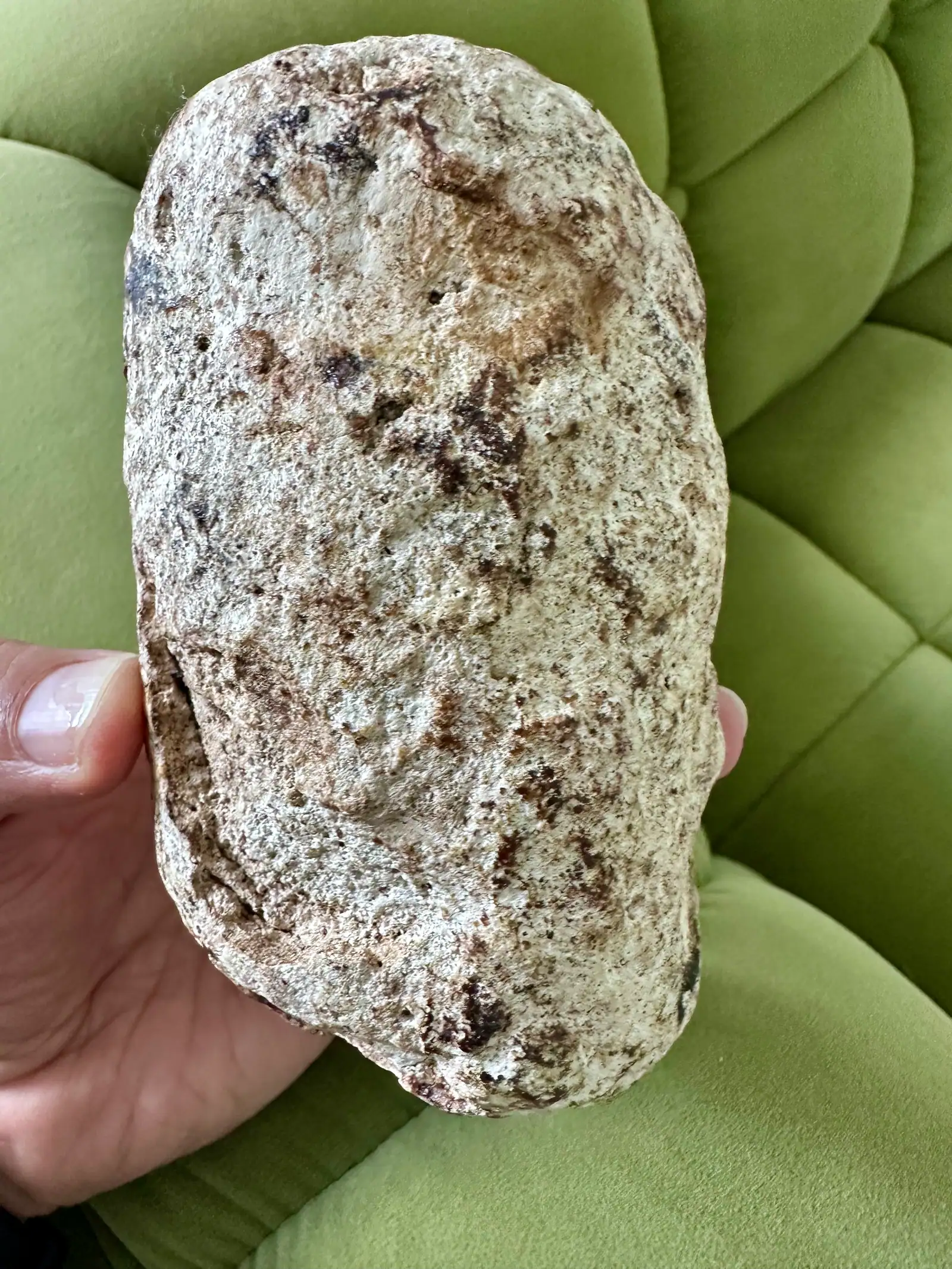
A pale piece of genuine ambergris with fine dark speckles, held in hand

Lookalikes: common questions

What is most often mistaken for ambergris?

Pumice, candle and paraffin wax, palm stearin, tar balls, seagrass balls, whale blubber, sponges, tree resin and worn rubber or plastic. Compare yours with the table above.

How can I tell ambergris from pumice?

Pumice is stone: rough, full of holes and with no smell. Ambergris is matte and slightly waxy, and smells marine or musky.

How can I tell ambergris from wax or palm oil?

Wax and palm oil look the same all the way through and smell of candles, cooking fat or soap. Palm oil also smears and melts very easily. Ambergris often shows layers and smells marine or musky.

Does the hot needle test prove it is ambergris?

No. Wax, palm oil, rubber and grease can melt in a similar way. Treat it as one hint, never as proof.

What should I do if I'm still not sure?

Keep it dry and whole, photograph it in daylight from every side with a coin for scale, and send me the photos. The check is free.

Keep reading

Nabil Valiulla crouching on a rocky shore, examining a small piece of ambergris in his hands

Still not sure what you found?

Send me clear photos in daylight and a note on the smell and weight. I check every find myself, for free, and reply within 24 hours.

See what I find, as I find it

I post new pieces, field trips and identification tips on Instagram.

  • A Penhaligon's perfume counter
  • Nabil Valiulla on a palm-lined street
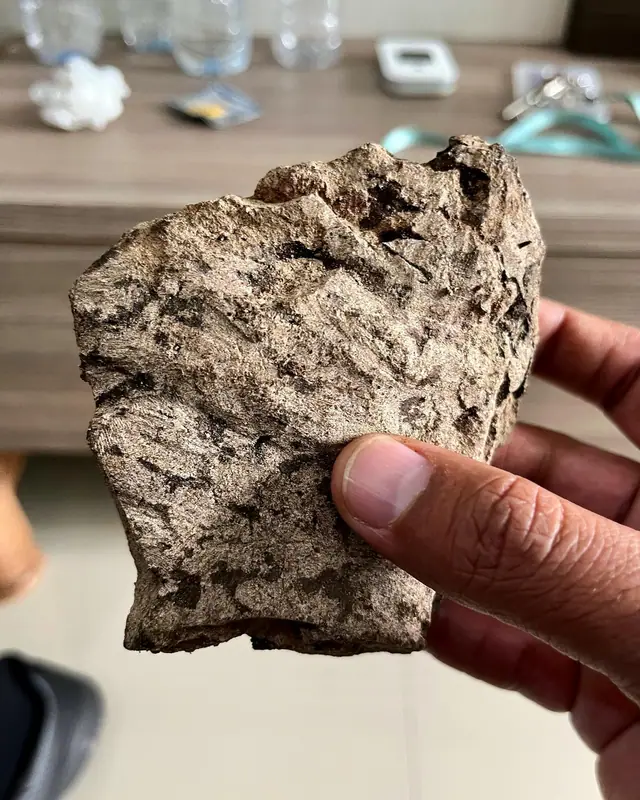
  • A piece of ambergris held up in hand
  • Nabil Valiulla, a selfie at home
  • Nabil Valiulla with a friend at home
  • Nabil Valiulla on a snowy roadside
  • A rainy city street
Nabil Valiulla, founder of Ambergris Canada
Nabil Valiulla@gris.whisperer