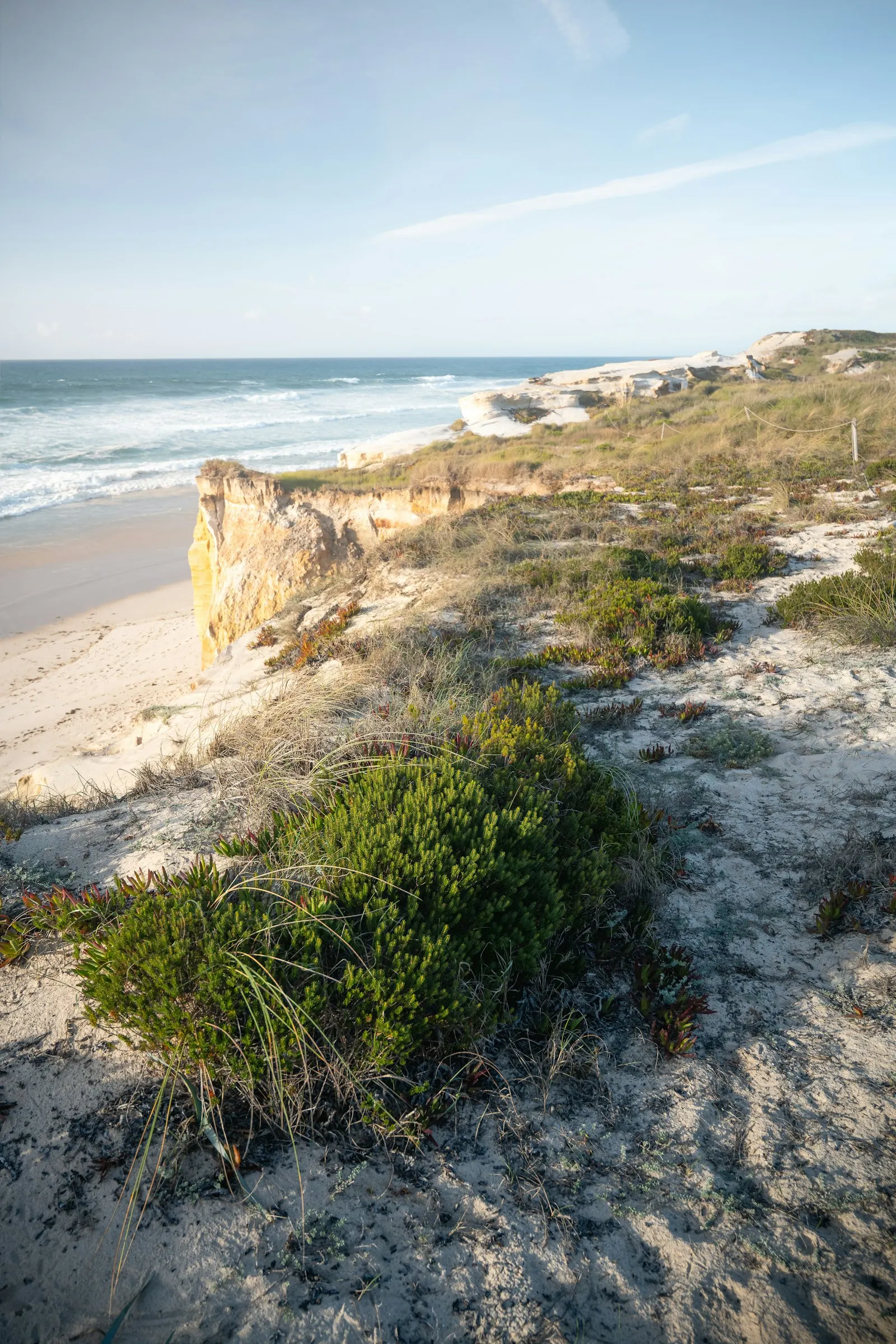
Where to Look for Ambergris on Australia's Coast
Australia's long coastline, whale activity, ocean currents, and storm-driven deposits make some beaches worth checking after strong weather events.
See Key RegionsWhy Australia's Coastline Is Worth Checking
Ambergris can travel for years at sea before washing ashore. Australia's coastline is exposed to powerful ocean systems, strong swells, whale migration routes, and long remote beaches where unusual marine material can go unnoticed.
Genuine ambergris is rare. These regions are not guarantees; they are simply sensible places to check after storms, high tides, or unusual ocean debris events.
Australia's Primary Search Zones
Six coastal zones worth checking, particularly after storms, high tides, or strong swell events.
South West Western Australia
Strong Coastal PotentialGreat Australian Bight / South Australia
Remote & ExposedTasmania West & South Coasts
Southern Ocean ExposureVictoria & South Coast NSW
Post-Storm PriorityQueensland / Far North Coast
Warm-Water WatchRemote Northern & Western Beaches
Low Foot TrafficAmbergris can wash up on any Australian beach. These are practical search zones, not guarantees. Always check unusual waxy or lightweight material carefully.
A Closer Look at Each Region
Here's what to expect from each zone and the best conditions to check.
These regions offer practical search opportunities, but any Australian beach is worth checking after a storm.
Ambergris can wash up on any Australian beach. These are practical search zones, not guarantees. Always check any unusual waxy or lightweight material regardless of location. If unsure, send us photos.
Best Times to Search
Weather events and swell activity are the strongest predictors of productive beach conditions in Australia.
Post-Storm
BestAny season
The best time to check. Storm swells can dislodge and deposit ocean material that has been floating offshore. Search within 24–48 hours after significant weather.
Winter Swells
Very GoodJun – Aug (south & west)
Southern and western coastlines receive stronger swell activity in cooler months. Remote beaches may be more productive if accessible.
Cyclone / East Coast Low
High MovementNov – Apr (north & east)
In northern and eastern Australia, strong weather systems can move unusual marine debris onto beaches. Act quickly in the 24–48 hours after the system passes.
Calm Summer Searches
Good for CoverageDec – Feb
Calmer conditions make walking and searching easier. Useful for systematically checking long beaches and tide lines where material may have settled.
What to Look For
Found Something Already?
Don't guess. Send clear photos and get a free first assessment from Ambergris Canada.
Get a Free Assessment